


Hummus
حمص
Chickpeas, tahini, lemon and garlic — a dip, not a yoghurt smoothie, and not a Turkish restaurant garnish.
Recipe by I Want Some Food · Reviewed by the editorial kitchen. Native name preserved: حمص.
0 people cooked this in the public kitchen yet. Kitchen-tested by I Want Some Food. Not a purchased rating.
- Prep
- 15 min
- Cook
- —
- Total
- 8 hr 15 min
- Difficulty
- Easy
- Spice
- No chilli
- Cost
- Cheap nightUnder $8 USD · indicative, not a store price
About
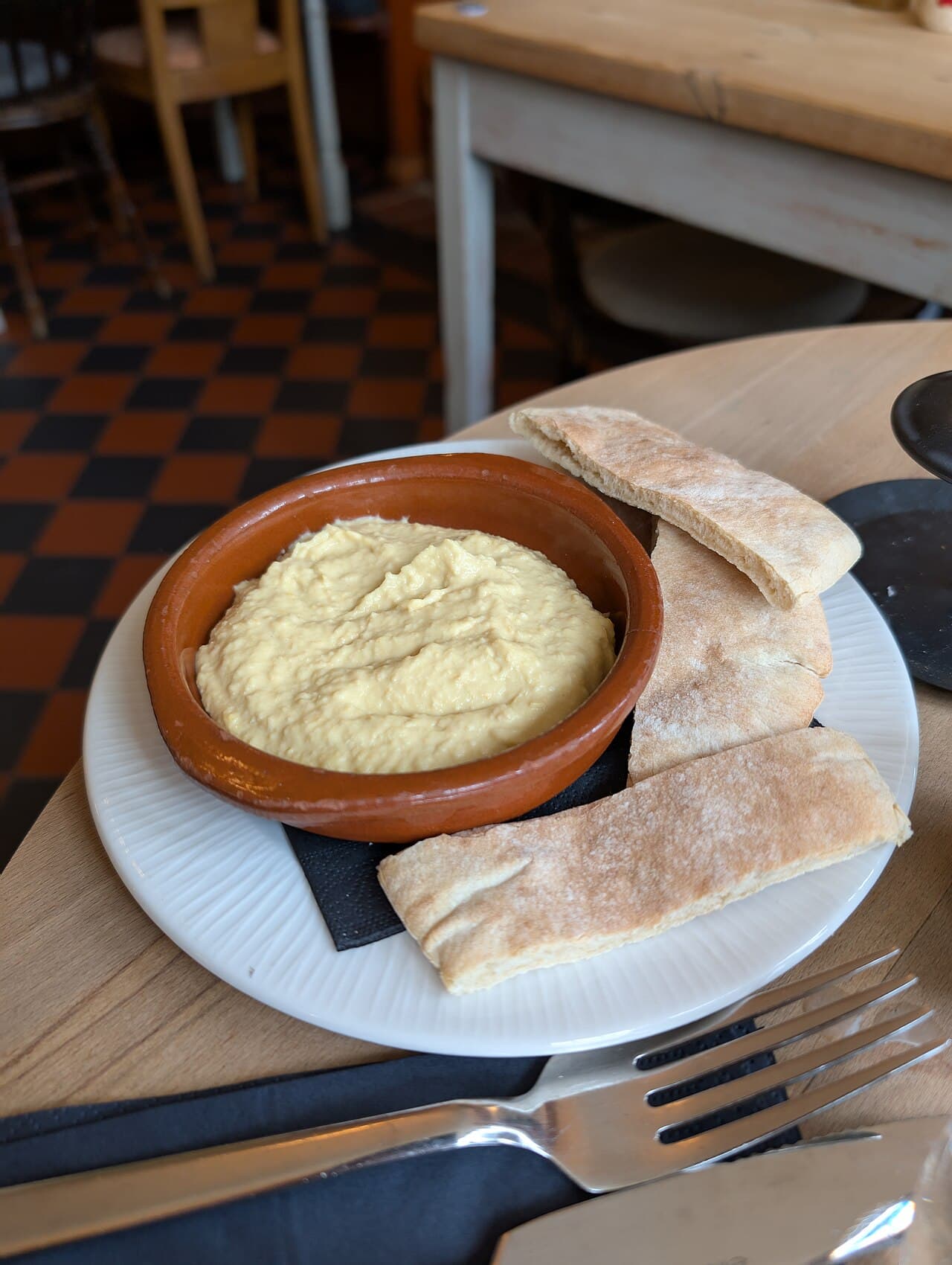
Hummus is ground chickpeas loosened with tahini, lemon and garlic until it is silky. Ice-cold water or a splash of the cooking liquid makes it fluff. Yoghurt is a different dip. Cumin is a house choice. Oil on top is dressing, not the body of the puree.
Ingredients
Scaling multiplies the written quantities. Baking still prefers a scale.
Steps
Step 1
If using dried chickpeas, soak overnight and simmer until they collapse. Peel a handful if you want it silkier. Canned: rinse well.
90 minStep 2
Blend tahini, lemon, garlic and salt first until pale. Add chickpeas. Stream in ice water until it is light, not paste.
8 minStep 3
Plate, a well of oil, optional cumin. Warm pita.
Adapt this recipe
The canonical recipe stays intact. Personal versions are labelled. Serving changes are maths, not AI.
Adaptations · 0 / 15 used. Resets 24 August.
Substitutions
Dried chickpeas → Canned
Rinse hard. A pinch of baking soda in the boil helps dried ones go soft.
Tips
- Warm chickpeas blend smoother than fridge-cold ones.
- A teaspoon of the cooking liquid beats a glug of cream.
History & culture
Levantine mezze. Lebanon, Syria and Palestine all cook it; the ownership argument is older than any food blog. Eat it with pita, not as a sad tub next to carrot sticks if you can help it.
Chickpeas and tahini are old Levantine pantry. The restaurant swirl is 20th-century presentation.
Traditional
Provenance: Editorial adaptation. Original editorial adaptation for I Want Some Food. Not copied from another recipe site. Official recipe photography is pending. Photograph: Andy Li via Wikimedia Commons (CC0). https://commons.wikimedia.org/wiki/File:Homemade%20hummus%20and%20pitta%20-%20Long%20Man%20Inn%202024-12-18.jpg
Questions about this recipe
Answers taken from this dish's times, amounts, swaps and tips — not a chatbot.
How long does Hummus take?
8 hr 15 min all in — 15 min prep, 8 hr rest. That is the time on this recipe, not a guess.
How many does it serve?
The recipe is written for 6 bowls. Scale the ingredient list on the page if you are cooking for a different number.
How hard is it?
Easy.
How spicy is it?
No chilli.
What allergens should I watch?
This recipe is labelled for Sesame. Labels are informational — check the packets in your kitchen. This is not medical advice.
Does it fit a diet?
The published recipe is labelled Vegetarian, Vegan.
What does it cost to cook?
Cheap night — about Under $8 USD, as a grocery budget for this recipe, not a restaurant price.
What equipment do I need?
Blender.
How much salt do I put in?
The recipe lists Salt at 1 tsp.
What can I use instead?
Dried chickpeas → Canned. Rinse hard. A pinch of baking soda in the boil helps dried ones go soft.
Any tips from this recipe?
Warm chickpeas blend smoother than fridge-cold ones. A teaspoon of the cooking liquid beats a glug of cream.
Can I prepare this ahead?
If using dried chickpeas, soak overnight and simmer until they collapse. Peel a handful if you want it silkier. Canned: rinse well.
Can I use an air fryer?
This method is not written for an air fryer. The core technique on the page still applies.
Similar dishes
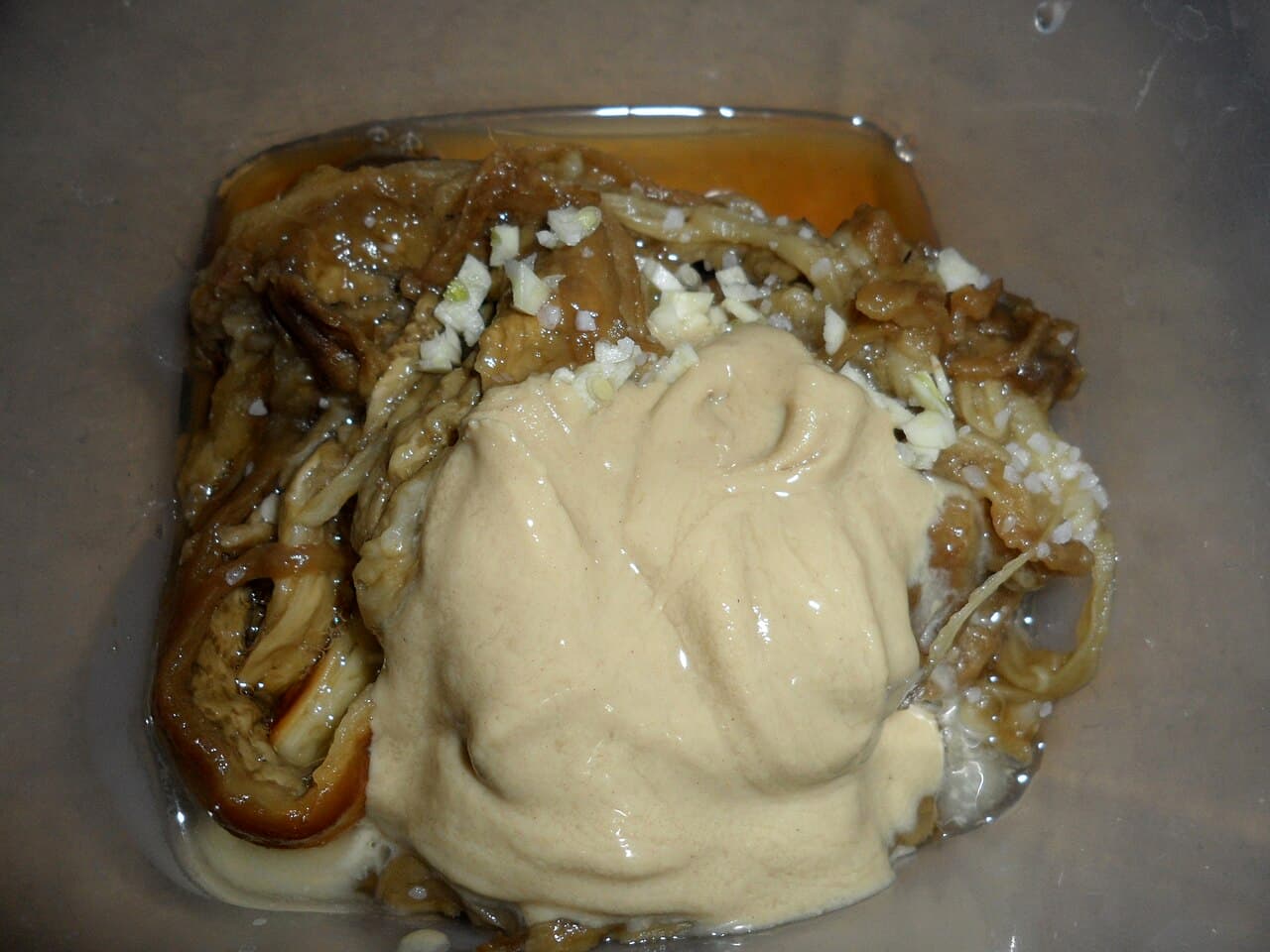
Baba ghanoush
بابا غنوج
Smoky eggplant, tahini and lemon — the mezze that should taste of fire, not of a steamed vegetable.
50 minEasyNo chilli
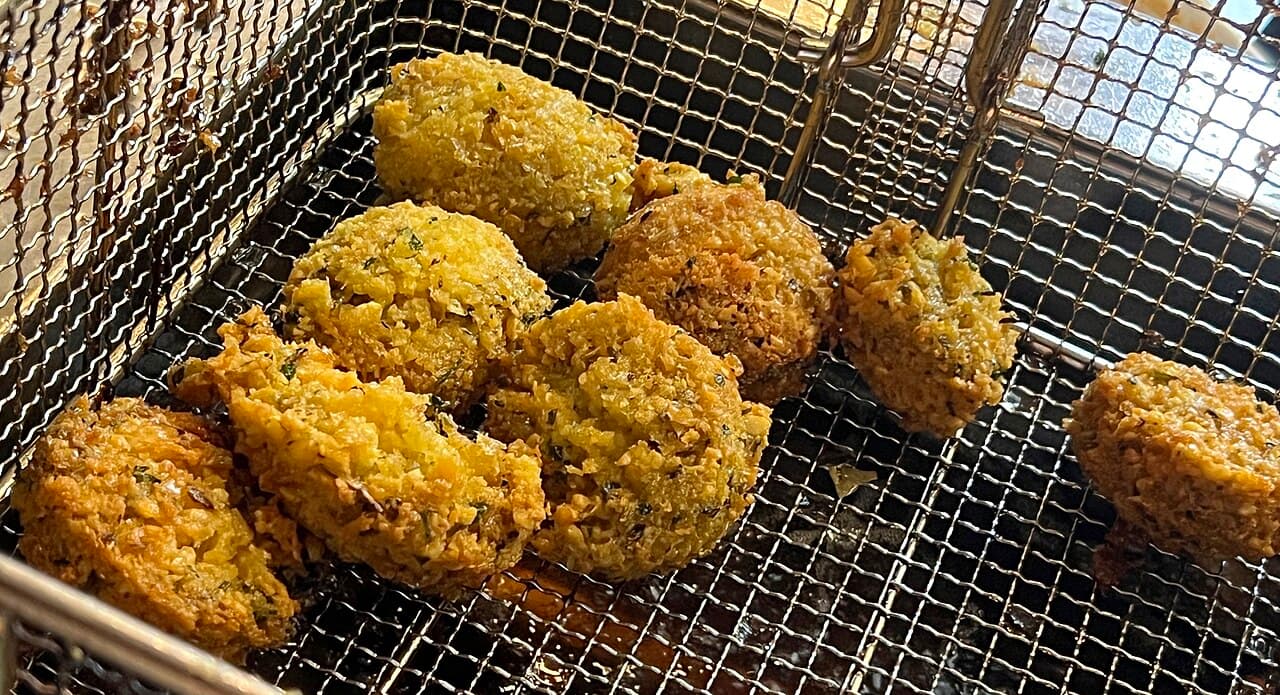
Falafel
فلافل
Fried ground chickpeas or fava — herbs, garlic, a crisp shell. Not a mashed leftover patty.
12 hr 40 minMedium🌶️
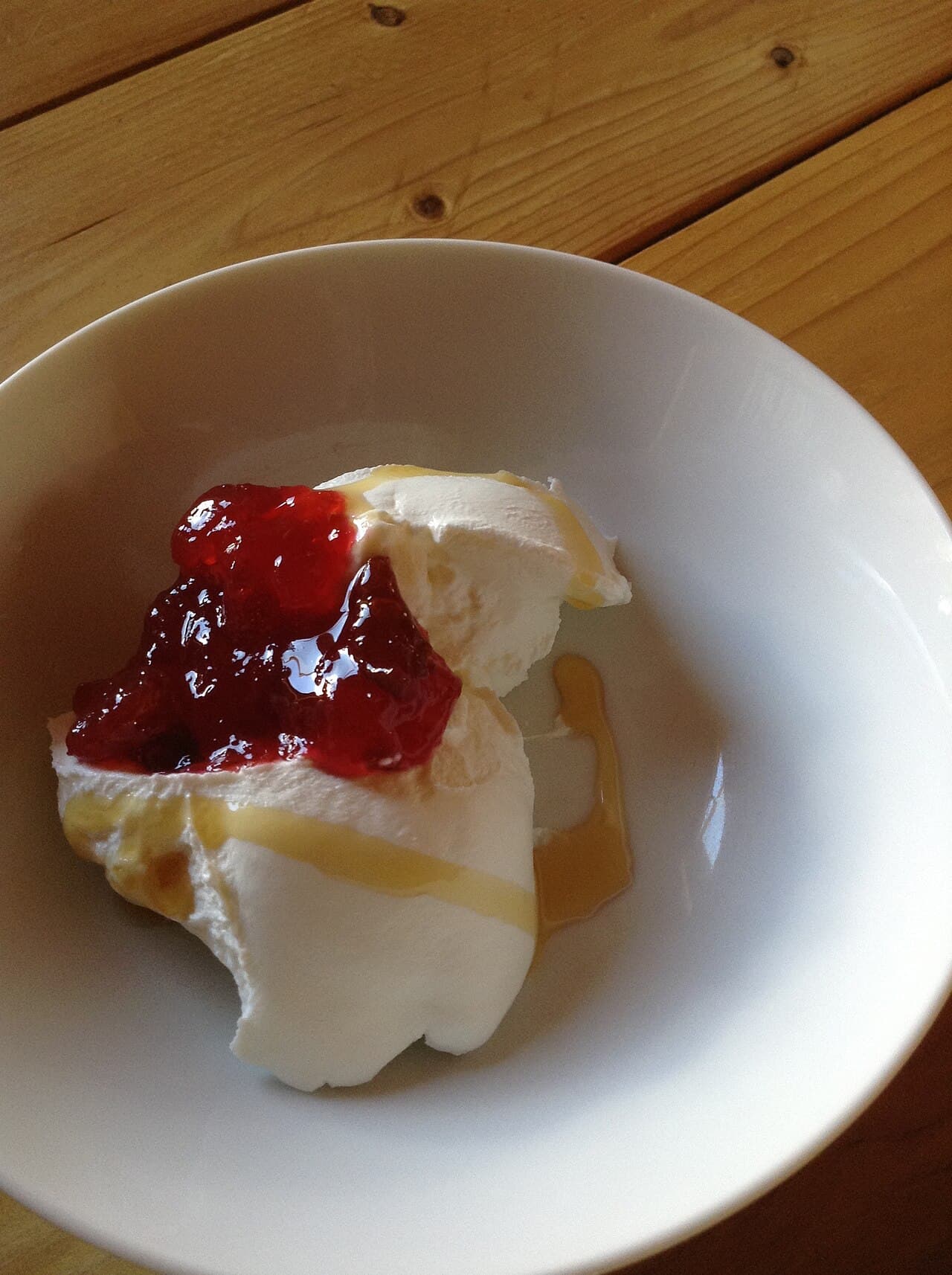
Labneh
لبنة
Yoghurt drained until it is a cheese — oil, za'atar, and bread. Breakfast that is also mezze.
12 hr 10 minVery easyNo chilli