


Lomo saltado
Lomo saltado
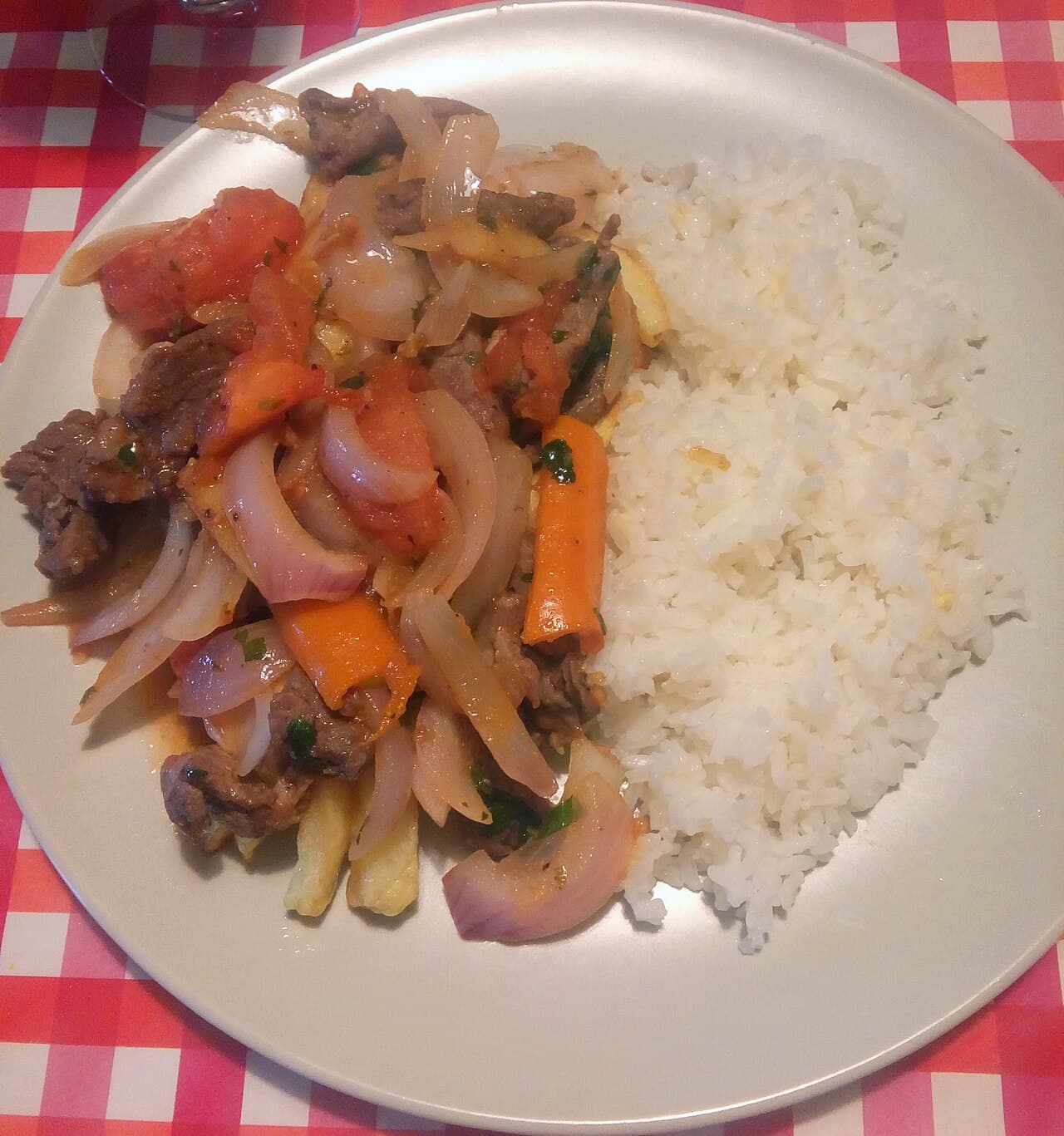
A Peruvian-Chinese stir-fry: beef, onion, tomato, soy and fries — on the same plate as rice.
Recipe by I Want Some Food · Reviewed by the editorial kitchen. Native name preserved: Lomo saltado.
0 people cooked this in the public kitchen yet. Kitchen-tested by I Want Some Food. Not a purchased rating.
- Prep
- 20 min
- Cook
- 20 min
- Total
- 40 min
- Difficulty
- Medium
- Spice
- Mild
- Cost
- Weeknight budget$8–16 USD · indicative, not a store price
About
Lomo saltado is chifa cooking: high heat, soy and vinegar, strips of beef, red onion and tomato that should still be themselves, and French fries tossed through or piled on. Rice on the side. If the tomato collapses into sauce, the pan was crowded or timid.
Ingredients
Scaling multiplies the written quantities. Baking still prefers a scale.
Steps
Step 1
Fry or bake the potatoes until crisp. Cook rice.
20 minStep 2
Scorch the beef in a ripping-hot pan, in batches. Lift out. Toss onion, tomato, garlic and ají 1 minute. Return beef with soy and vinegar. Fries in at the end so they stay fried.
8 minStep 3
Coriander. Rice. Eat immediately.
Adapt this recipe
The canonical recipe stays intact. Personal versions are labelled. Serving changes are maths, not AI.
Adaptations · 0 / 15 used. Resets 24 August.
Substitutions
Beef → Mushrooms
A vegetarian saltado. Still wants the fries.
Tips
- Ají amarillo paste is the Peruvian heat. A fresh chilli is a stand-in.
- Do not cover the pan. This is a fry, not a stew.
History & culture
Lima's Chinese-Peruvian kitchen as national lunch. It is not a lomo from Colombia or a generic stir-fry.
Cantonese technique, Peruvian beef and chilli, soy. The 20th-century plate that became everyday.
Modern adaptation
Provenance: Editorial adaptation. Original editorial adaptation for I Want Some Food. Not copied from another recipe site. Official recipe photography is pending. Photograph: Miguel Alan Córdova Silva via Wikimedia Commons (CC BY-SA 4.0). https://commons.wikimedia.org/wiki/File:Lomo%20saltado%20peruano.jpg
Questions about this recipe
Answers taken from this dish's times, amounts, swaps and tips — not a chatbot.
How long does Lomo saltado take?
40 min all in — 20 min prep, 20 min cook. That is the time on this recipe, not a guess.
How many does it serve?
The recipe is written for 3 plates. Scale the ingredient list on the page if you are cooking for a different number.
How hard is it?
Medium.
How spicy is it?
Mild.
What allergens should I watch?
This recipe is labelled for Soy. Labels are informational — check the packets in your kitchen. This is not medical advice.
Does it fit a diet?
The published recipe is labelled Gluten-free, Dairy-free, Nut-free.
What does it cost to cook?
Weeknight budget — about $8–16 USD, as a grocery budget for this recipe, not a restaurant price.
What equipment do I need?
Wok, Baking tray, Oven.
How much salt do I put in?
This recipe does not list salt as its own ingredient. Saltiness comes from Soy sauce — 2 tbsp. Taste at the end rather than adding a number we did not write.
How much soy sauce?
2 tbsp of Soy sauce.
How much vinegar?
1 tbsp of Vinegar.
What can I use instead?
Beef → Mushrooms. A vegetarian saltado. Still wants the fries.
Any tips from this recipe?
Ají amarillo paste is the Peruvian heat. A fresh chilli is a stand-in. Do not cover the pan. This is a fry, not a stew.
Can I use an air fryer?
This method is not written for an air fryer. The core technique on the page still applies.
Similar dishes
Ceviche
Ceviche
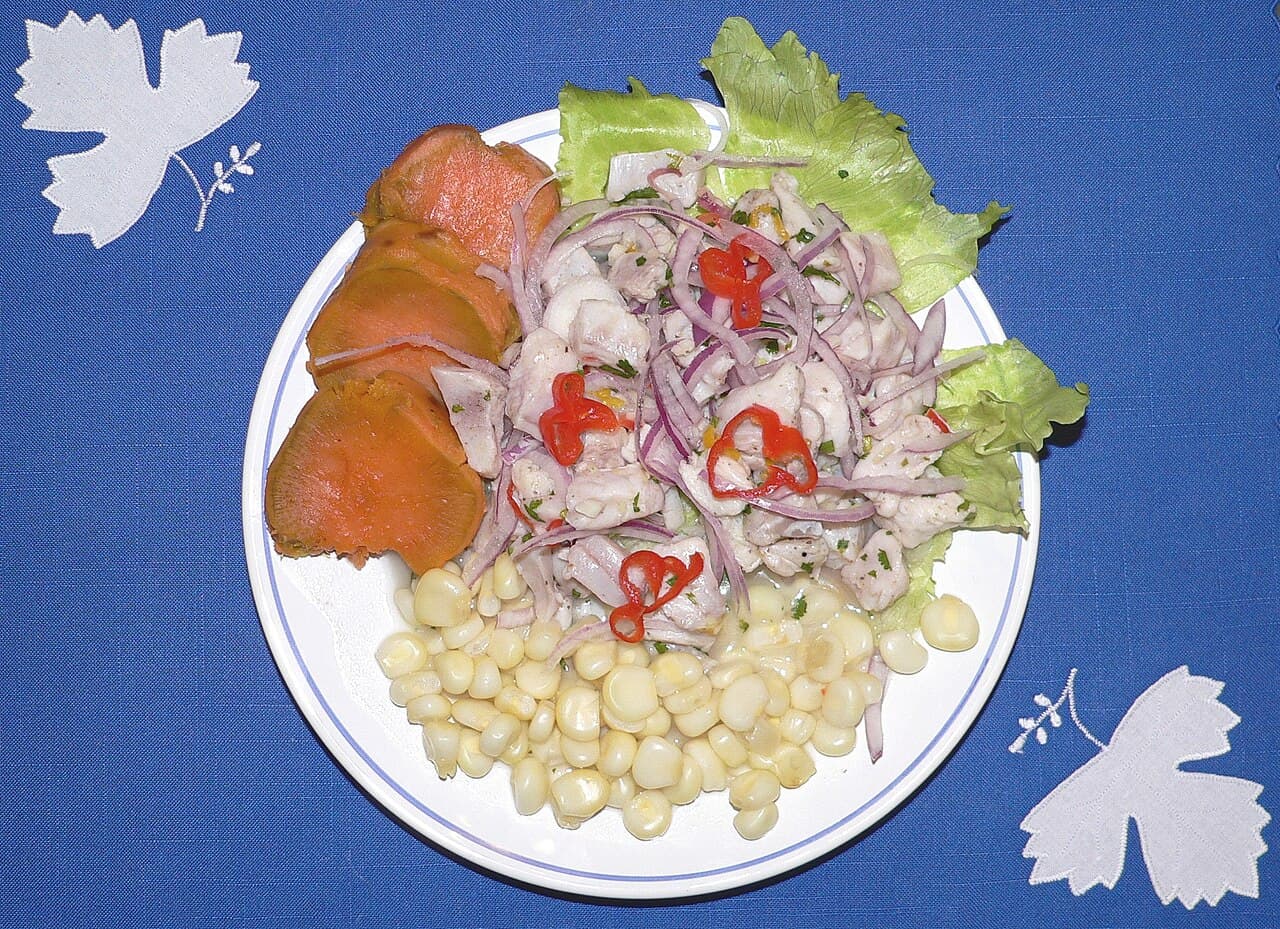
Peruvian lime-cured fish with chilli, red onion and coriander. Your fishmonger matters more than your knife skills.
40 minMedium🌶️🌶️
Ají de gallina
Ají de gallina
Shredded chicken in a bread-thickened yellow chilli sauce — Lima comfort that looks rich and is.
1 hrMedium🌶️🌶️
Pad krapow
ผัดกะเพรา
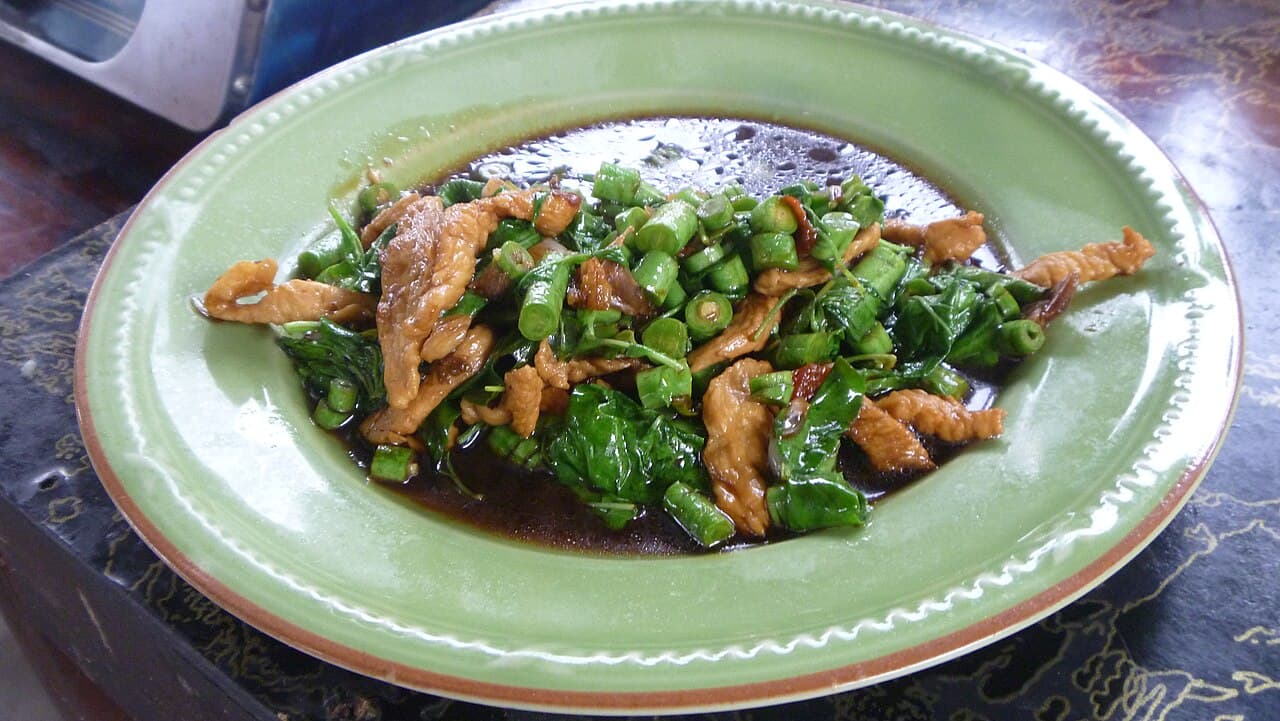
Holy basil stir-fry, ripping hot, with a fried egg and rice — the Thai plate people actually order on a Tuesday.
20 minEasy🌶️🌶️🌶️