


Shoyu ramen
醤油ラーメン
A soy-sauce ramen you can make at home without pretending you run a 20-year tonkotsu shop.
Recipe by I Want Some Food · Reviewed by the editorial kitchen. Native name preserved: 醤油ラーメン.
0 people cooked this in the public kitchen yet. Kitchen-tested by I Want Some Food. Not a purchased rating.
- Prep
- 30 min
- Cook
- 1 hr 30 min
- Total
- 2 hr
- Difficulty
- A bit of work
- Spice
- No chilli
- Cost
- A bit special$16–28 USD · indicative, not a store price
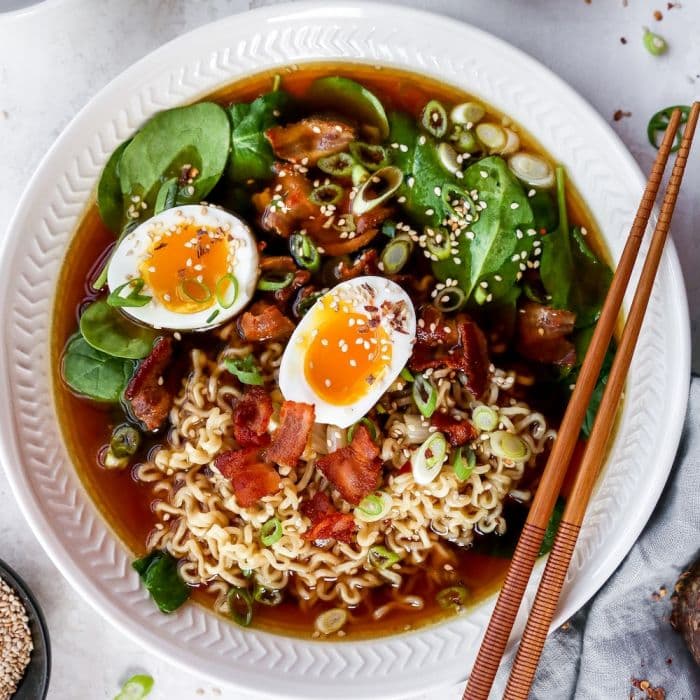
About
Ramen is a profession. This is not a 12-hour tonkotsu. It is a clear-ish shoyu bowl: chicken and kombu-scented broth, a soy tare, springy noodles, a jammy egg, and spring onion. It will not taste like that shop in Daikanyama. It will taste like a very good homemade ramen, which is a different and honest pleasure.
Ingredients
Broth
Noodles
- Pasta, fresh ramen noodles if you can get them400 g
Finish
- Toasted sesame oil4.9 ml
Scaling multiplies the written quantities. Baking still prefers a scale.
Steps
Step 1
Cover chicken with cold water, bring to a boil, and skim the foam. Add spring onion whites, ginger and garlic. Simmer gently 60–75 minutes. Do not boil hard or the broth goes cloudy and bitter.
75 minStep 2
Strain the broth. Stir in dashi. Taste. It should be chicken-forward and clean. Keep hot.
5 minStep 3
For the tare, simmer soy sauce with a spoon of the hot broth and optional miso until blended. This is the seasoning bomb that goes in each bowl, not into the whole pot.
5 minTip: Season bowls, not the stockpot, so leftovers stay flexible.
Step 4
Boil eggs 7 minutes from boiling water, then ice-bath. Peel. They should be jammy, not chalky.
10 minStep 5
Boil noodles according to their packet — usually 1–3 minutes for fresh. Drain well.
3 minStep 6
Put 2–3 tablespoons tare in each bowl, add hot broth, then noodles. Top with halved egg, nori, spring onion greens and a drop of sesame oil. Eat immediately. Ramen waits for no one.
4 min
Adapt this recipe
The canonical recipe stays intact. Personal versions are labelled. Serving changes are maths, not AI.
Adaptations · 0 / 15 used. Resets 24 August.
Substitutions
Fresh ramen noodles → Dried ramen or thin egg noodles
Texture changes. Broth still carries the bowl.
Chicken broth → Good unsalted chicken stock plus dashi
A weeknight cheat. Reduce added salt in the tare.
Tips
- A leftover roast chicken carcass is a legitimate broth start.
- If you can only find dried ramen packets, throw away the seasoning sachet and use this broth. We will not tell the flavour-dust police.
History & culture
Ramen in Japan is regional, competitive, and often Chinese-inspired wheat noodles in a Japanese broth. Shoyu is the Tokyo-ish classic: brown, savoury, not opaque white. Home cooks in Japan eat plenty of instant ramen; making a from-scratch bowl is a weekend project, not an everyday flex.
Chinese wheat noodles met Japanese dashi logic in the early 20th century. Postwar wheat supplies and neighbourhood shops turned ramen into a national hunger language. We are not recreating a specific master's recipe.
Modern adaptation — Fresh ramen noodles are ideal. Dried ramen or even thin yellow wheat noodles will do. This broth is chicken-and-dashi, not pork-bone.
Provenance: Editorial adaptation. Original editorial adaptation for I Want Some Food.
Questions about this recipe
Answers taken from this dish's times, amounts, swaps and tips — not a chatbot.
How long does Shoyu ramen take?
2 hr all in — 30 min prep, 1 hr 30 min cook. That is the time on this recipe, not a guess.
How many does it serve?
The recipe is written for 4 bowls. Scale the ingredient list on the page if you are cooking for a different number.
How hard is it?
A bit of work.
How spicy is it?
No chilli.
What allergens should I watch?
This recipe is labelled for Wheat, Soy, Eggs, Fish, Sesame. Labels are informational — check the packets in your kitchen. This is not medical advice.
Does it fit a diet?
The published recipe is labelled Dairy-free, Nut-free.
What does it cost to cook?
A bit special — about $16–28 USD, as a grocery budget for this recipe, not a restaurant price.
What equipment do I need?
Stockpot, Saucepan, Spider or strainer.
How much salt do I put in?
This recipe does not list salt as its own ingredient. Saltiness comes from Soy sauce — 80 ml; Miso — 1 tbsp (optional). Taste at the end rather than adding a number we did not write.
How much soy sauce?
80 ml of Soy sauce.
How much miso?
1 tbsp (optional) of Miso.
How much toasted sesame oil?
1 tsp of Toasted sesame oil.
What can I use instead?
Fresh ramen noodles → Dried ramen or thin egg noodles. Texture changes. Broth still carries the bowl. Chicken broth → Good unsalted chicken stock plus dashi. A weeknight cheat. Reduce added salt in the tare.
Any tips from this recipe?
A leftover roast chicken carcass is a legitimate broth start. If you can only find dried ramen packets, throw away the seasoning sachet and use this broth. We will not tell the flavour-dust police.
Can I prepare this ahead?
A leftover roast chicken carcass is a legitimate broth start.
Can I use an air fryer?
This method is not written for an air fryer. The core technique on the page still applies.
Similar dishes
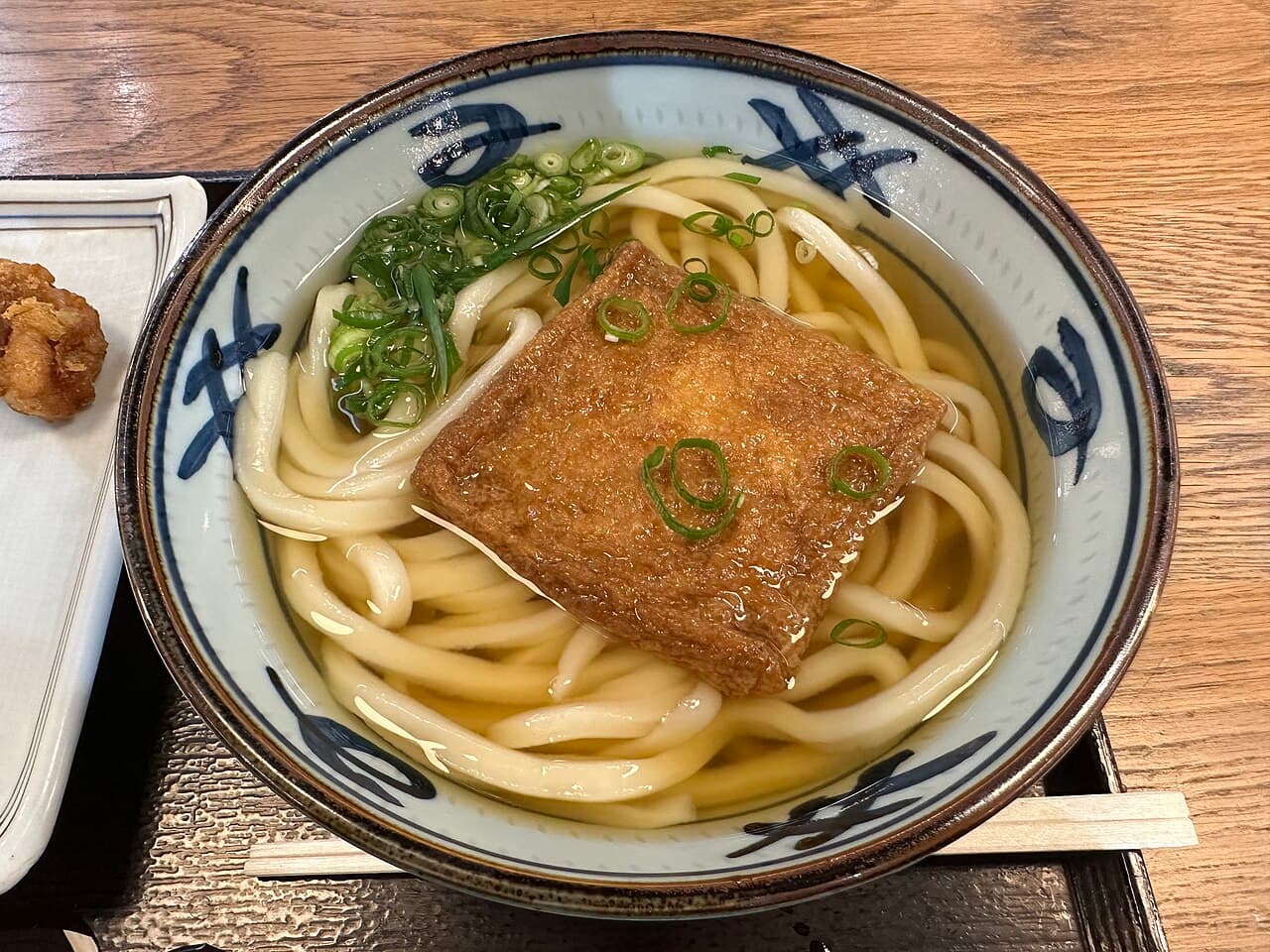
Kitsune udon
きつねうどん
Fat wheat noodles in a hot dashi broth with a sweet fried-tofu pillow — the fox's favourite bowl.
25 minEasyNo chilli
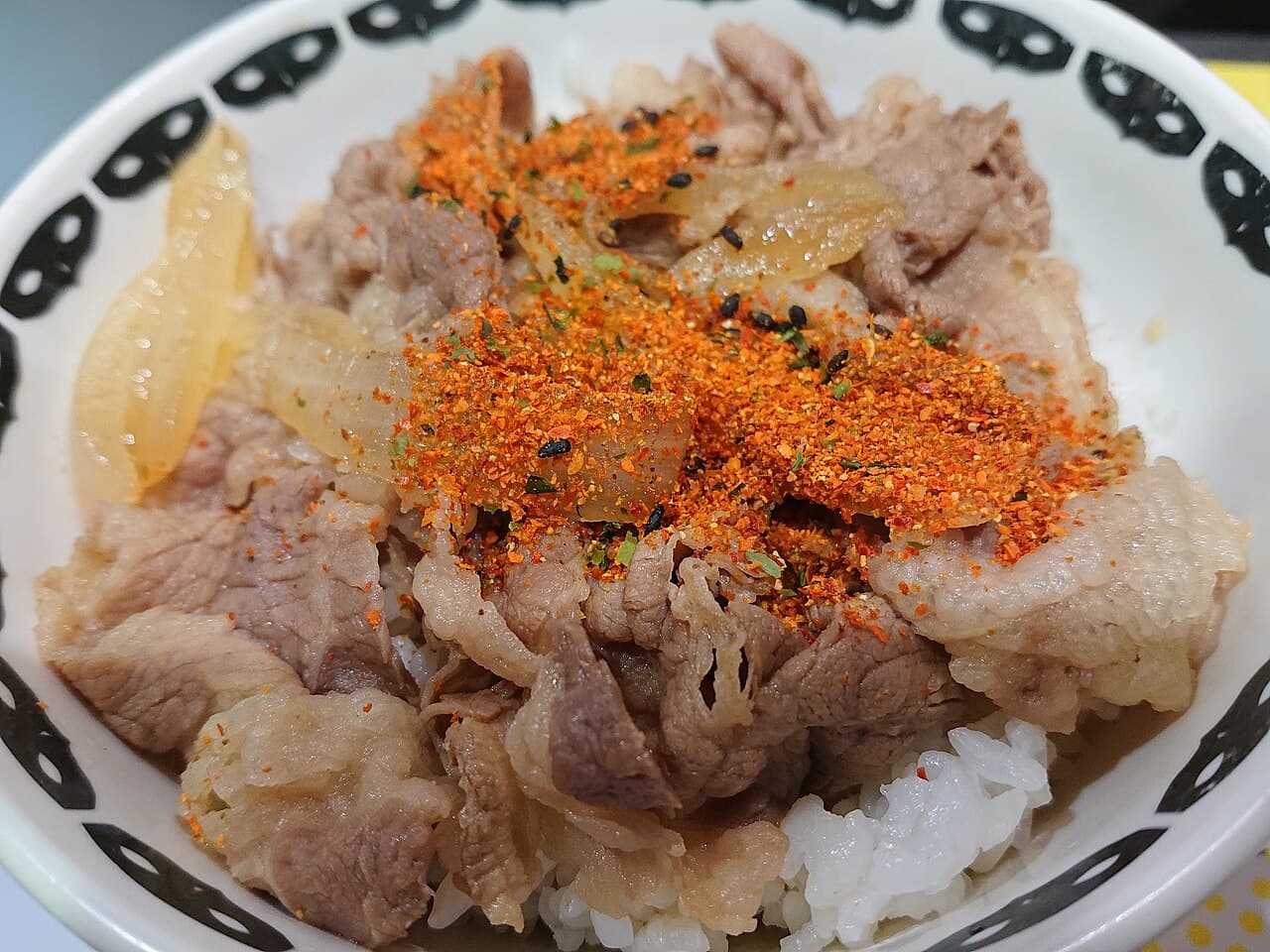
Gyudon
牛丼
Thin beef and onion simmered in a sweet-soy broth, slid over rice — the chain-restaurant bowl you can make better at home.
22 minEasyNo chilli
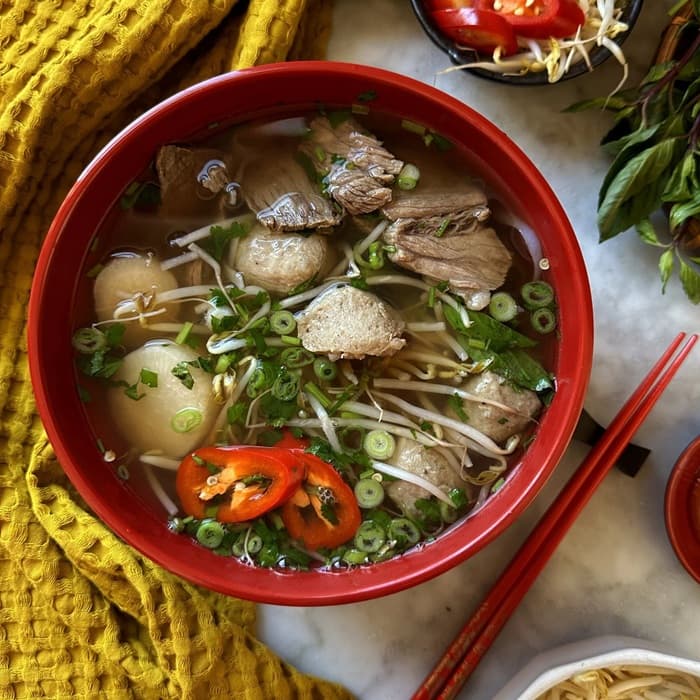
Phở bò
Phở bò
Vietnamese beef noodle soup: a long, clear-ish broth, rice noodles, herbs, and a table full of finishing flavours.
4 hrA bit of work🌶️