


Cacio e pepe
Cacio e pepe
Pecorino, pepper and pasta water — a Roman emulsion that looks like nothing and fails if you rush it.
Recipe by I Want Some Food · Reviewed by the editorial kitchen. Native name preserved: Cacio e pepe.
0 people cooked this in the public kitchen yet. Kitchen-tested by I Want Some Food. Not a purchased rating.
- Prep
- 5 min
- Cook
- 15 min
- Total
- 20 min
- Difficulty
- Medium
- Spice
- Mild
- Cost
- Cheap nightUnder $8 USD · indicative, not a store price
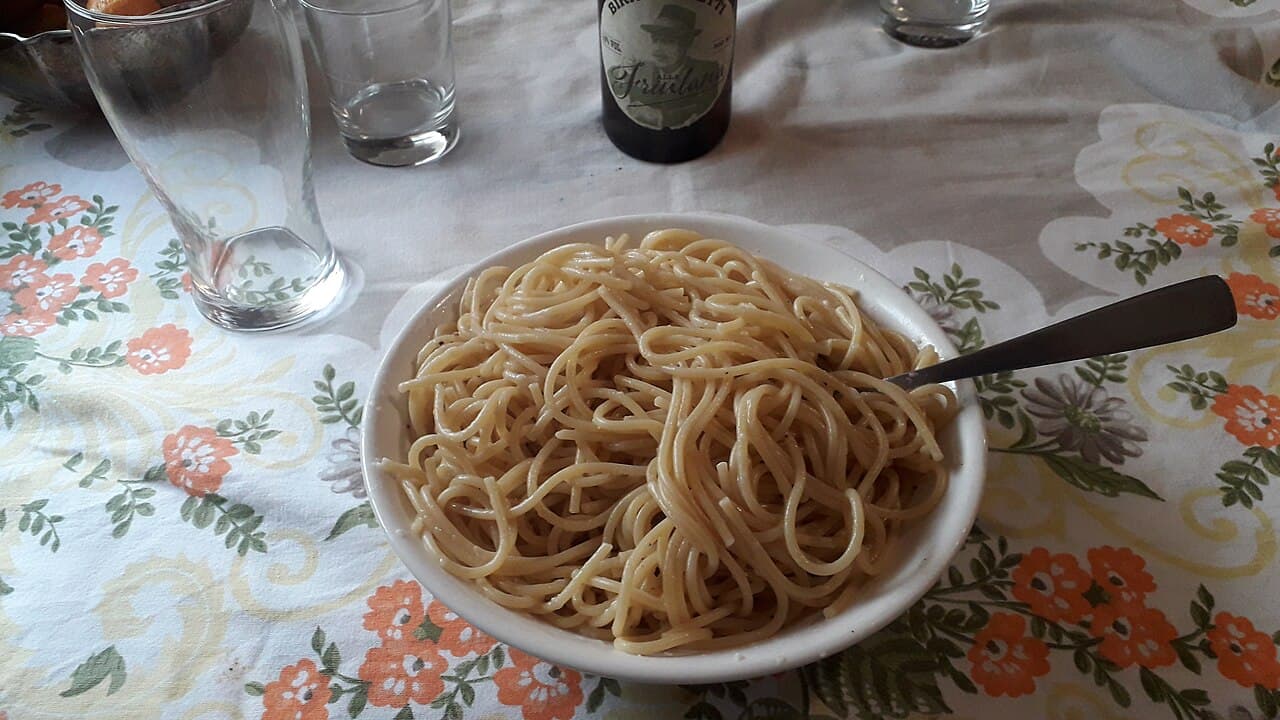
About
Cacio e pepe is three ingredients and a technique. You toast pepper, finish pasta in a little water, and toss in finely grated pecorino off the heat so it melts into a sauce instead of clumping into concrete. Cream is not invited. If it seizes, you added cheese to a pan that was still screaming.
Ingredients
- Pasta200 g
- Pecorino Romano, very finely grated60 g
- Black pepper7.4 ml
- Salt, for the water, go light — the cheese is salty4.9 ml
Scaling multiplies the written quantities. Baking still prefers a scale.
Steps
Step 1
Boil pasta in well-salted water until just shy of al dente. Scoop out a mug of cloudy water.
10 minStep 2
Toast cracked pepper in a wide pan 30 seconds. Add a ladle of pasta water.
1 minStep 3
Add pasta. Toss. Take off the heat. Rain in pecorino a handful at a time, tossing and adding water until it turns glossy, not grainy.
2 minTip: If it clumps, more hot water and motion, not more heat.
Adapt this recipe
The canonical recipe stays intact. Personal versions are labelled. Serving changes are maths, not AI.
Adaptations · 0 / 15 used. Resets 24 August.
Substitutions
Pecorino → Mostly pecorino plus a little parmigiano
Milder. Still a Roman plate if pecorino leads.
Tips
- Grate the cheese like dust. Chunks will not melt.
- A little leftover cooking water in a jug is cheaper than panic.
History & culture
Lazio trattorie and the pasta people order to test a kitchen. Tonnarelli or spaghetti. Pecorino Romano should taste like sheep.
Shepherd food that restaurants made precious. The modern creamy-looking plate is still just cheese, pepper and starch.
Traditional
Provenance: Editorial adaptation. Original editorial adaptation for I Want Some Food. Not copied from another recipe site. Official recipe photography is pending. Photograph: Blackcat via Wikimedia Commons (CC BY-SA 4.0). https://commons.wikimedia.org/wiki/File:Spaghetto%20cacio%20e%20pepe%20Roma%202018.jpg
Questions about this recipe
Answers taken from this dish's times, amounts, swaps and tips — not a chatbot.
How long does Cacio e pepe take?
20 min all in — 5 min prep, 15 min cook. That is the time on this recipe, not a guess.
How many does it serve?
The recipe is written for 2 plates. Scale the ingredient list on the page if you are cooking for a different number.
How hard is it?
Medium.
How spicy is it?
Mild.
What allergens should I watch?
This recipe is labelled for Wheat, Milk. Labels are informational — check the packets in your kitchen. This is not medical advice.
Does it fit a diet?
The published recipe is labelled Vegetarian.
What does it cost to cook?
Cheap night — about Under $8 USD, as a grocery budget for this recipe, not a restaurant price.
What equipment do I need?
Saucepan, Frying pan.
How much salt do I put in?
The recipe lists Salt at 1 tsp (for the water, go light — the cheese is salty).
What can I use instead?
Pecorino → Mostly pecorino plus a little parmigiano. Milder. Still a Roman plate if pecorino leads.
Any tips from this recipe?
Grate the cheese like dust. Chunks will not melt. A little leftover cooking water in a jug is cheaper than panic.
Can I prepare this ahead?
A little leftover cooking water in a jug is cheaper than panic.
Can I use an air fryer?
This method is not written for an air fryer. The core technique on the page still applies.
Similar dishes
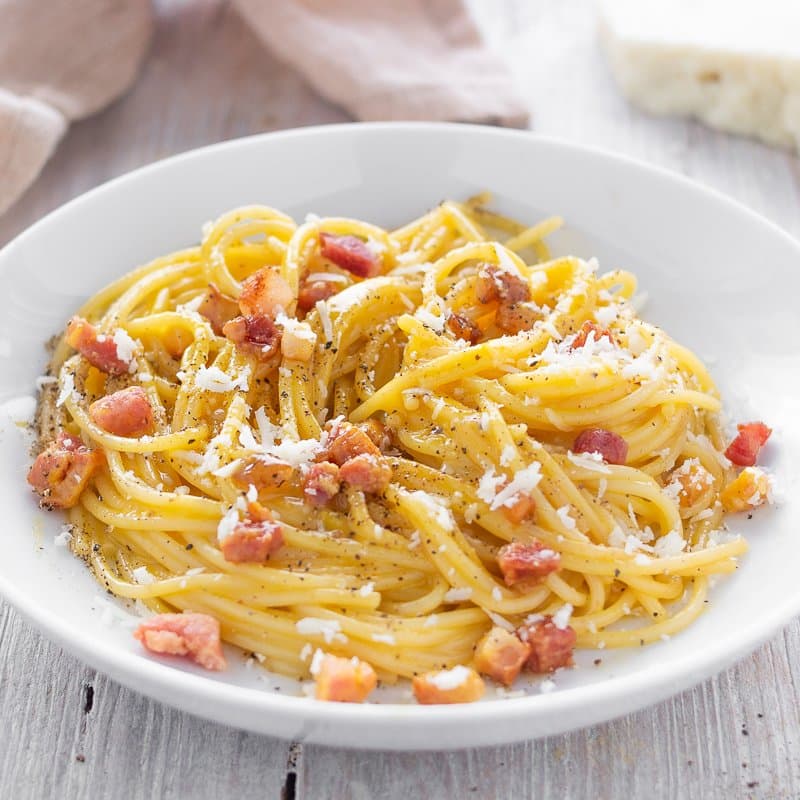
Carbonara
Carbonara
Roman pasta of guanciale, egg, pecorino and pepper — no cream, no peas, no debate in this house except the usual one.
30 minMediumNo chilli
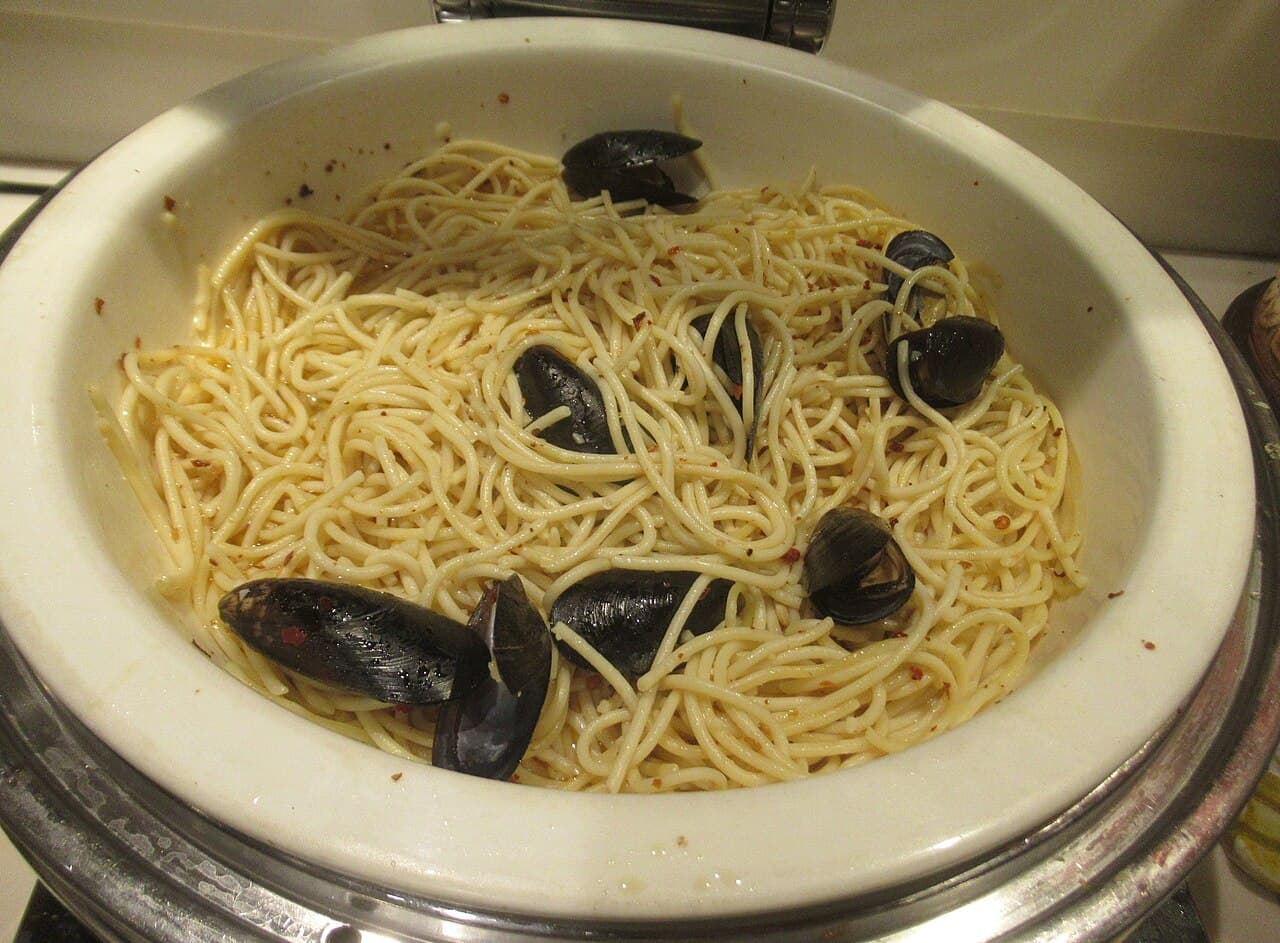
Aglio e olio
Aglio e olio
Garlic, olive oil, chilli and pasta — midnight cooking that only works if the garlic does not burn.
17 minEasy🌶️
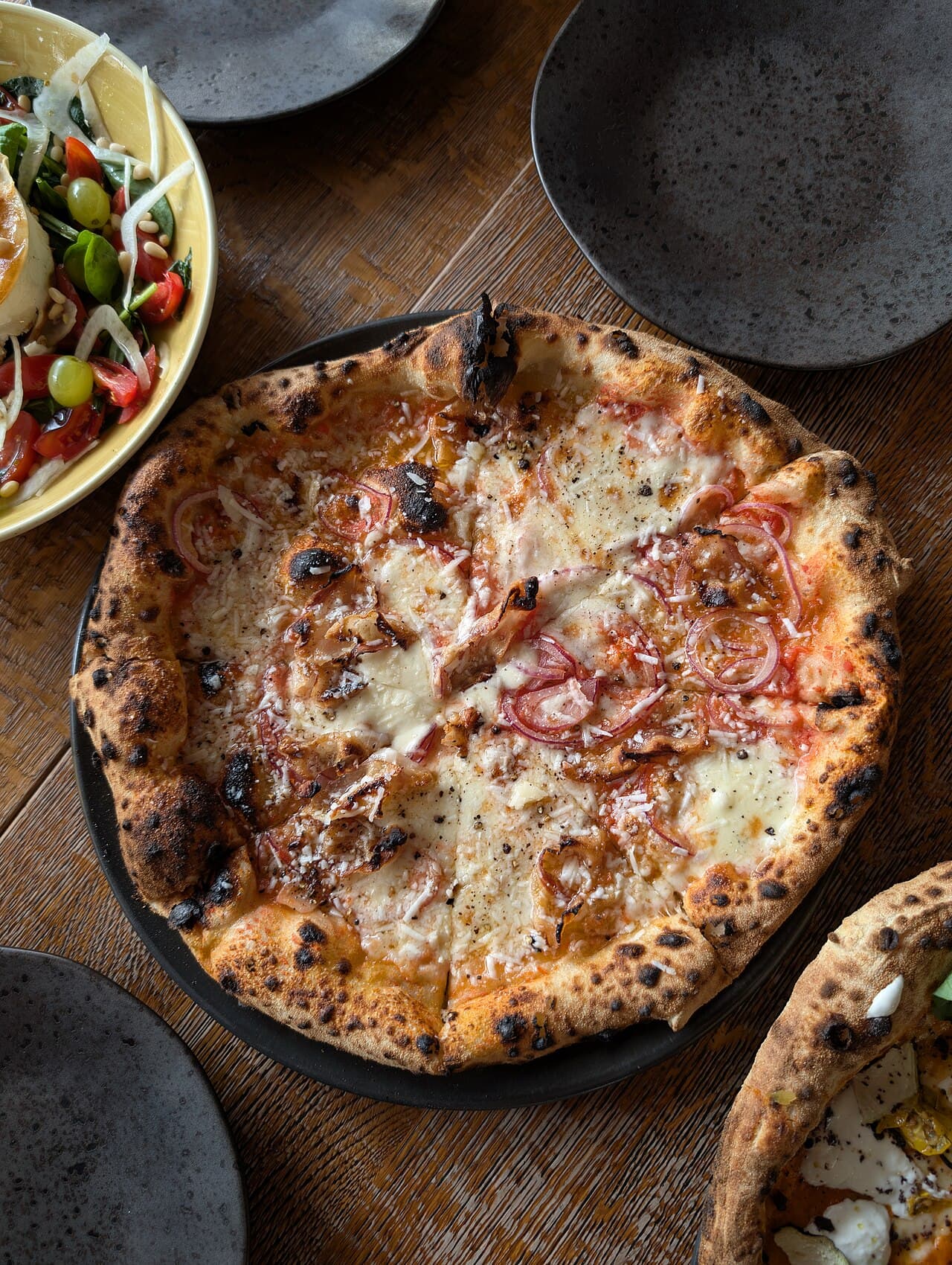
Amatriciana
Amatriciana
Guanciale, tomato and pecorino — the Roman-Amatrice pasta that is not a generic bacon-and-red-sauce.
30 minEasy🌶️