


Oi-muchim
오이무침
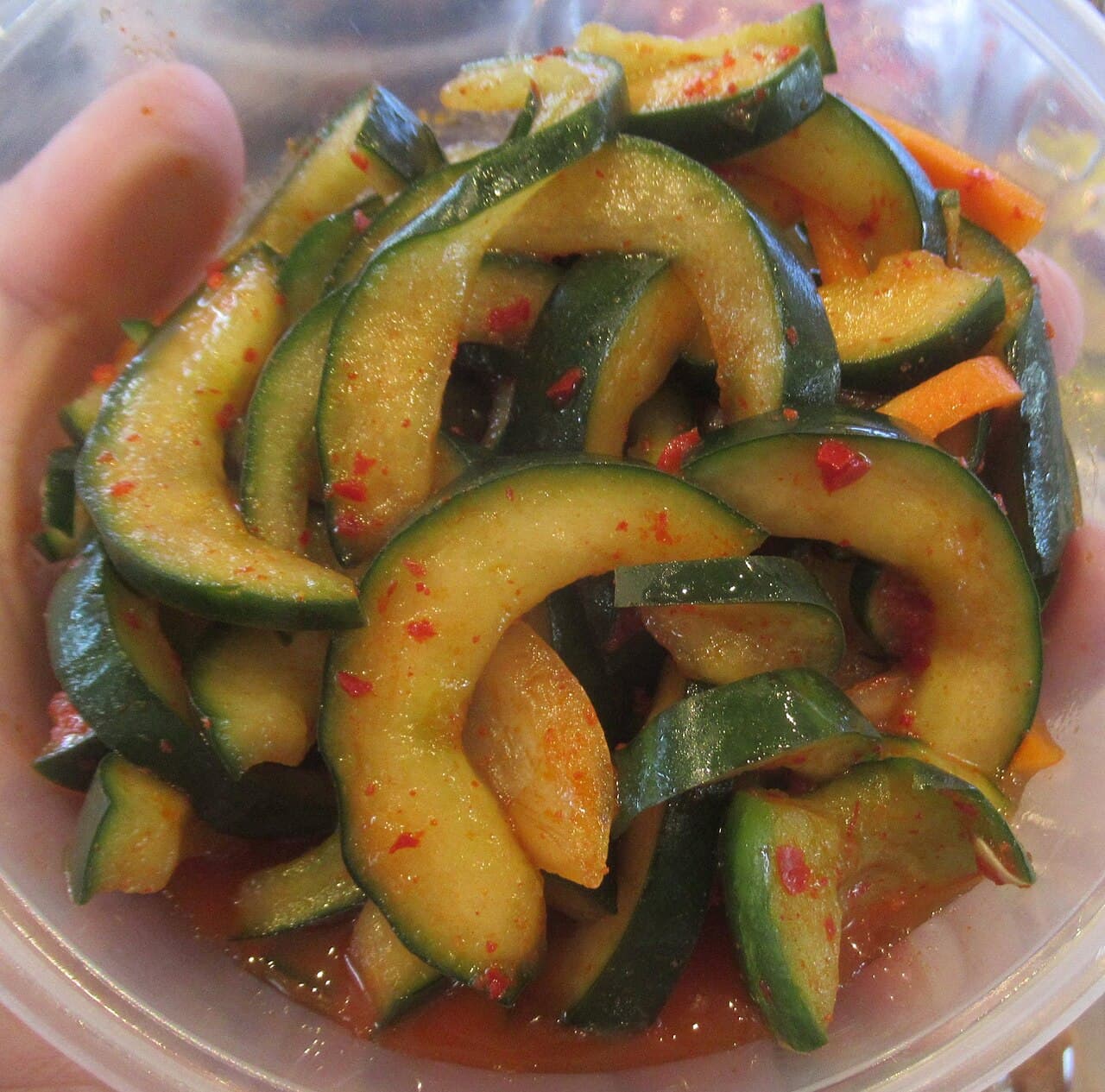
Smashed cucumber salad with gochugaru, garlic and sesame — the 10-minute banchan that wakes up a heavy table.
Recipe by I Want Some Food · Reviewed by the editorial kitchen. Native name preserved: 오이무침.
0 people cooked this in the public kitchen yet. Kitchen-tested by I Want Some Food. Not a purchased rating.
- Prep
- 15 min
- Cook
- —
- Total
- 15 min
- Difficulty
- Easy
- Spice
- Medium heat
- Cost
- Cheap nightUnder $8 USD · indicative, not a store price
About
Oi-muchim is cucumbers salted, squeezed, and tossed with chilli, garlic, vinegar and sesame. It should be juicy and loud, not a limp slaw. Smash the cucumbers so the dressing gets into the cracks. Make it last because it weeps.
Ingredients
- Cucumber3
- Salt4.9 ml
- Gochugaru15 ml
- Garlic2 clove
- Vinegar15 ml
- Sugar4.9 ml
- Toasted sesame oil4.9 ml
- Sesame seeds4.9 ml
- Spring onion1
Scaling multiplies the written quantities. Baking still prefers a scale.
Steps
Step 1
Cut cucumbers into chunks and smash lightly with the side of a knife. Toss with salt, rest 10 minutes, then squeeze out water.
10 minStep 2
Toss with gochugaru, garlic, vinegar, sugar, sesame oil, seeds and spring onion. Taste: spicy, sour, a little sweet. Serve soon.
Adapt this recipe
The canonical recipe stays intact. Personal versions are labelled. Serving changes are maths, not AI.
Adaptations · 0 / 15 used. Resets 24 August.
Substitutions
Gochugaru → A pinch of chilli flakes
Harsher heat, less fruit.
Tips
- Korean cucumbers are less watery. English cucumbers work if you seed them.
- It gets wetter in the fridge. Eat it the same day.
History & culture
A summer banchan and a barbecue side. Also the thing you make when the meat is already on the table and you forgot vegetables.
Seasoned cucumbers are as old as a Korean table. This is the spicy muchim, not a soy-only namul.
Traditional
Provenance: Editorial adaptation. Original editorial adaptation for I Want Some Food. Not copied from another recipe site. Official recipe photography is pending. Photograph: Wikimedia Commons contributor via Wikimedia Commons (CC BY-SA 4.0). https://commons.wikimedia.org/wiki/File:Oi%20Muchim%20%EC%98%A4%EC%9D%B4%EB%AC%B4%EC%B9%A81.jpg
Questions about this recipe
Answers taken from this dish's times, amounts, swaps and tips — not a chatbot.
How long does Oi-muchim take?
15 min all in — 15 min prep. That is the time on this recipe, not a guess.
How many does it serve?
The recipe is written for 4 bowls. Scale the ingredient list on the page if you are cooking for a different number.
How hard is it?
Easy.
How spicy is it?
Medium heat.
What allergens should I watch?
This recipe is labelled for Sesame. Labels are informational — check the packets in your kitchen. This is not medical advice.
Does it fit a diet?
The published recipe is labelled Vegetarian.
What does it cost to cook?
Cheap night — about Under $8 USD, as a grocery budget for this recipe, not a restaurant price.
What equipment do I need?
Mixing bowl.
How much salt do I put in?
The recipe lists Salt at 1 tsp.
How much gochugaru?
1 tbsp of Gochugaru.
How much vinegar?
1 tbsp of Vinegar.
How much sugar?
1 tsp of Sugar.
How much toasted sesame oil?
1 tsp of Toasted sesame oil.
What can I use instead?
Gochugaru → A pinch of chilli flakes. Harsher heat, less fruit.
Any tips from this recipe?
Korean cucumbers are less watery. English cucumbers work if you seed them. It gets wetter in the fridge. Eat it the same day.
Can I use an air fryer?
This method is not written for an air fryer. The core technique on the page still applies.
Similar dishes
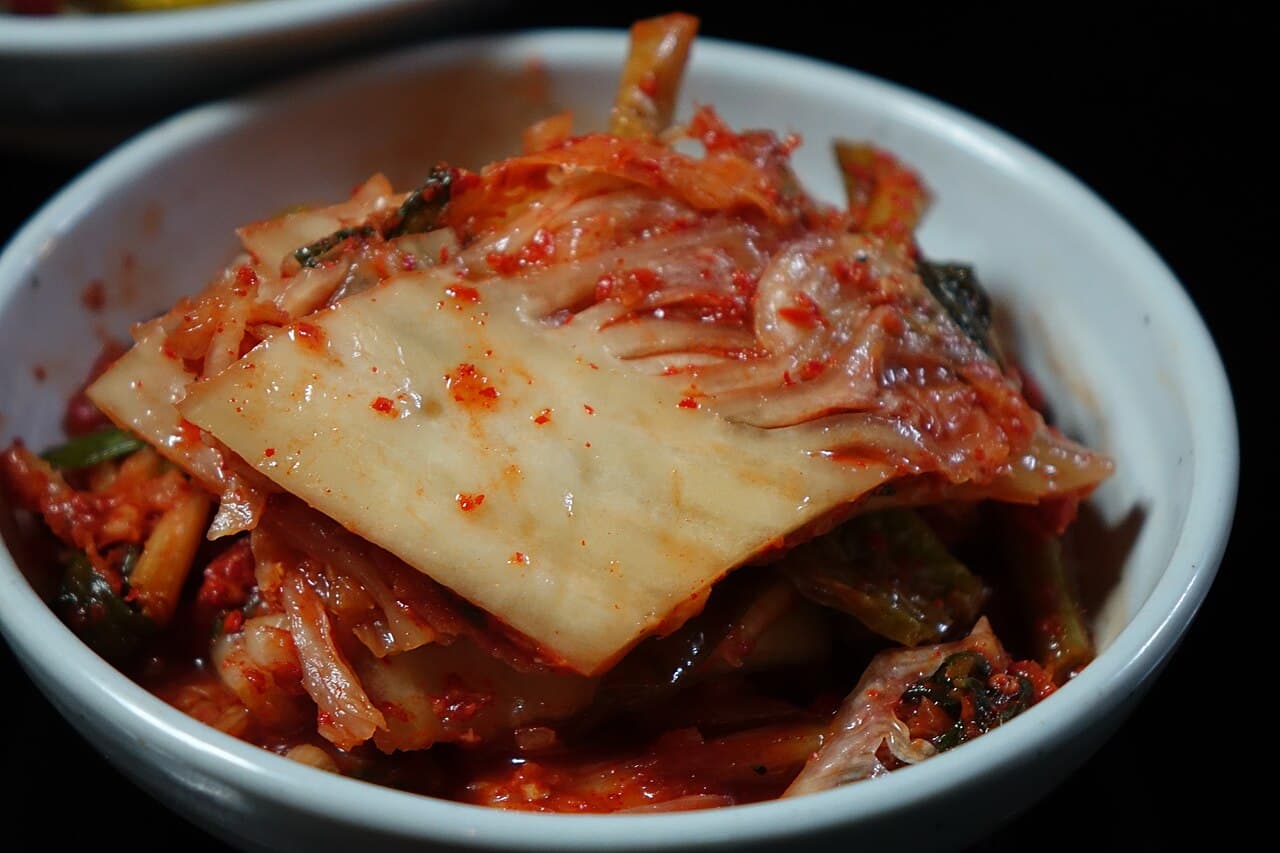
Baechu-kimchi
배추김치
Napa cabbage salted and packed with a gochugaru-garlic paste — the ferment the rest of the kitchen leans on.
13 hrMedium🌶️🌶️🌶️
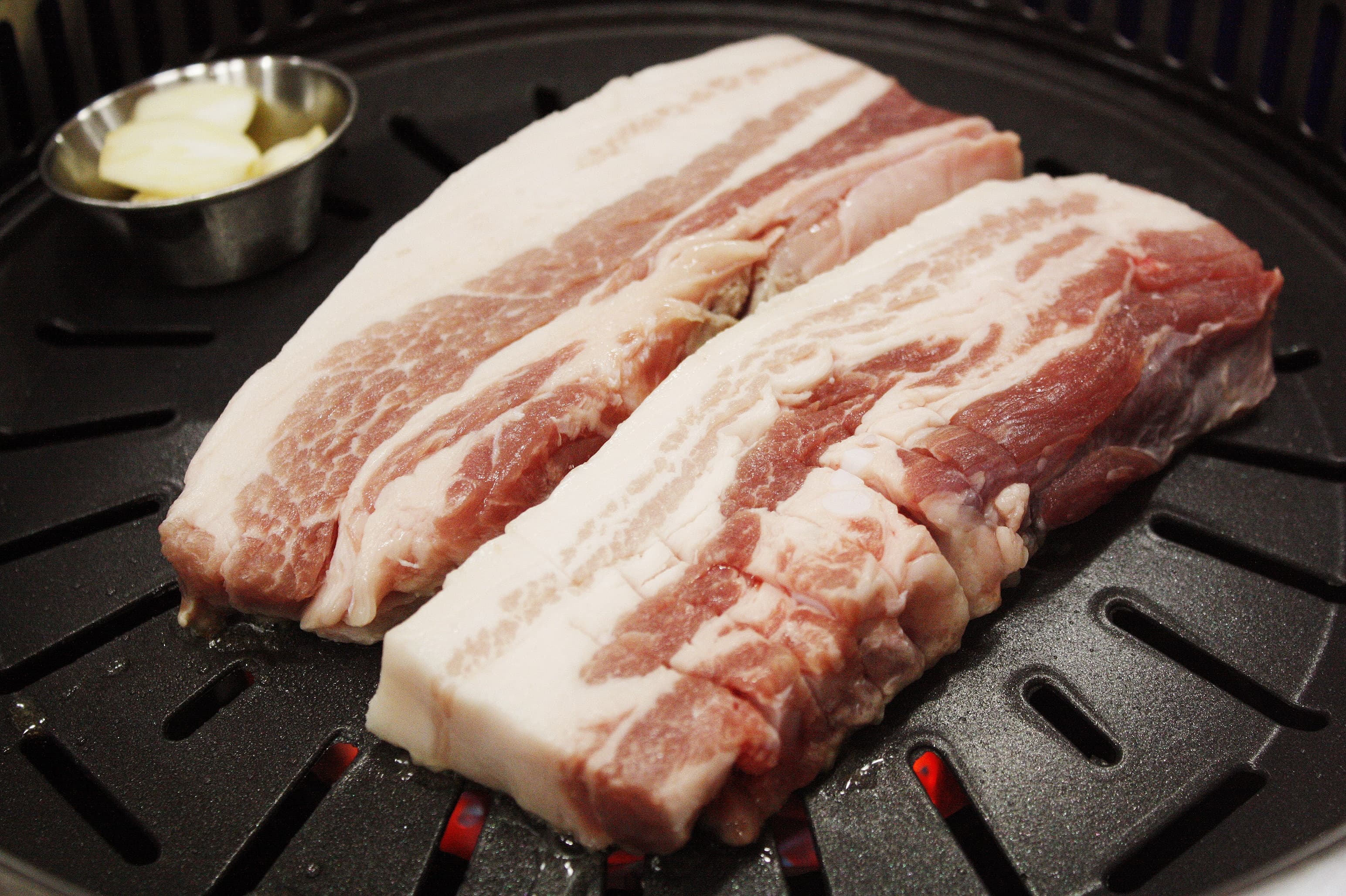
Samgyeopsal
삼겹살
Thick pork belly grilled at the table, wrapped in lettuce with ssamjang, garlic and a bit of rice.
40 minEasyNo chilli
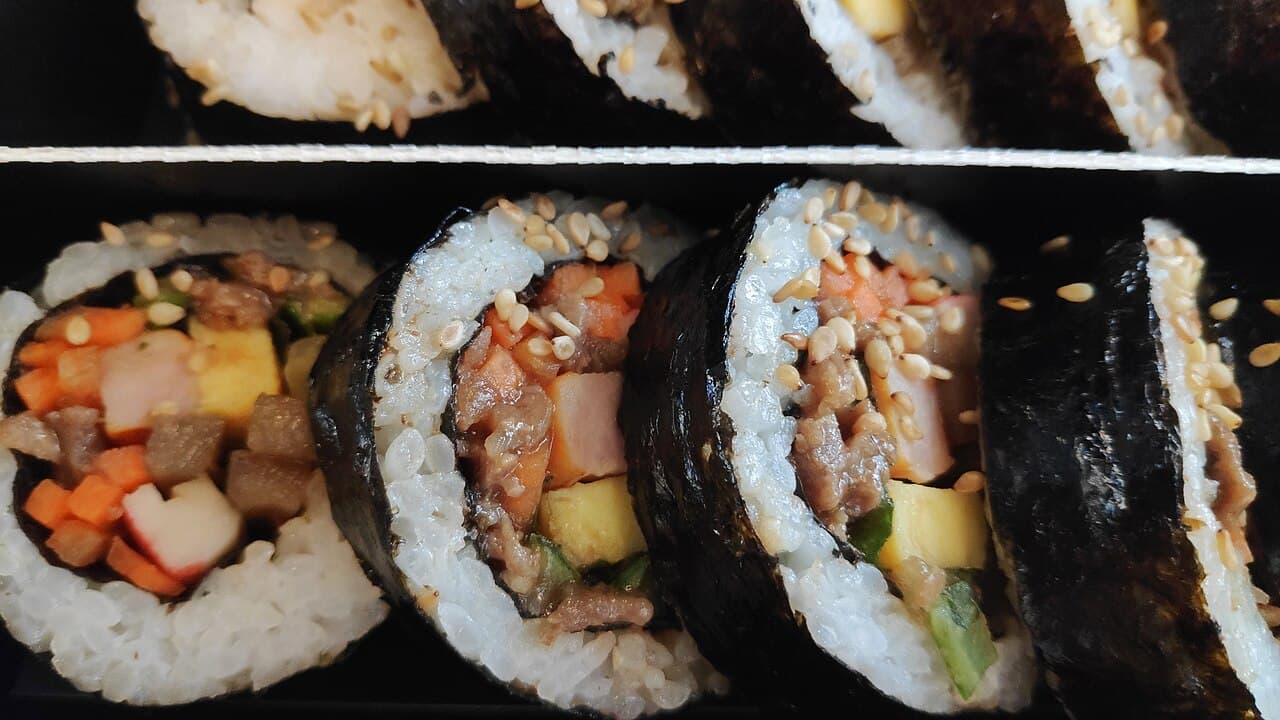
Gimbap
김밥
Sesame rice rolled in gim with pickled radish, egg and vegetables — picnic food, not sushi with a new passport.
55 minMediumNo chilli