


Kongguksu
콩국수
Wheat noodles in an ice-cold, blended soybean broth — summer food that tastes like milk without being dairy.
Recipe by I Want Some Food · Reviewed by the editorial kitchen. Native name preserved: 콩국수.
0 people cooked this in the public kitchen yet. Kitchen-tested by I Want Some Food. Not a purchased rating.
- Prep
- 20 min
- Cook
- 40 min
- Total
- 9 hr
- Difficulty
- Medium
- Spice
- No chilli
- Cost
- Cheap nightUnder $8 USD · indicative, not a store price
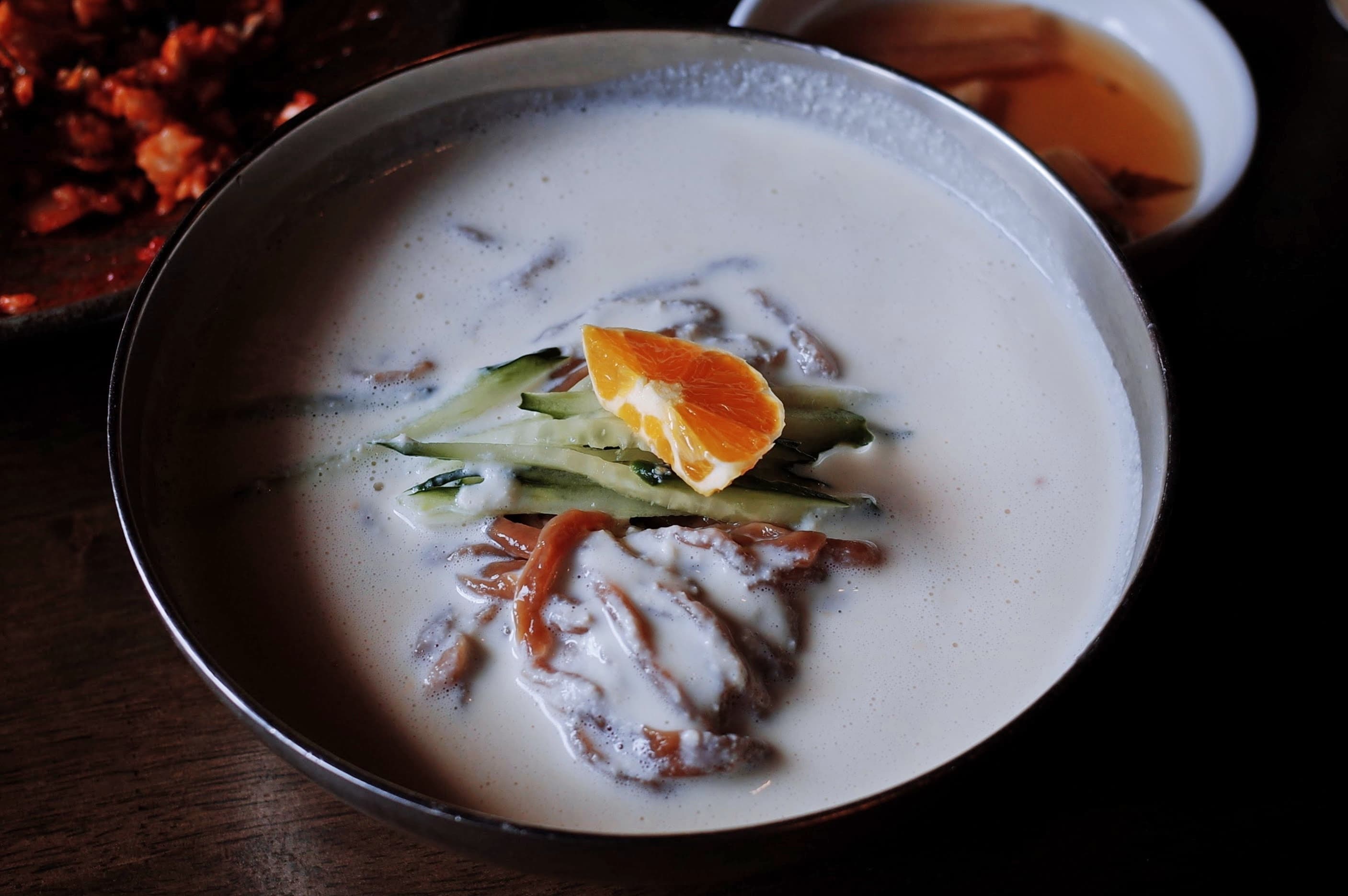
About
Kongguksu is a pale, nutty, ice-cold noodle soup. You soak soybeans, boil them, blend them with cold water, and strain into a cream. The noodles go in with cucumber and maybe a boiled egg. Salt at the table. If it is warm, it is wrong.
Ingredients
- Soybeans200 g
- Wheat noodles250 g
- Water, cold, for blending800 ml
- Cucumber, julienned½
- Salt4.9 ml
- Sesame seeds4.9 ml
- Egg (optional)1 large
Scaling multiplies the written quantities. Baking still prefers a scale.
Steps
Step 1
Soak soybeans 8 hours or overnight. Drain, cover with fresh water, boil 30–40 minutes until very soft. Drain and cool.
40 minStep 2
Blend beans with cold water until smooth. Strain through a cloth or fine sieve. Chill the soy milk hard, with ice if needed.
10 minStep 3
Boil noodles, rinse in ice water. Serve in the cold soy broth with cucumber, sesame and salt at the table.
Adapt this recipe
The canonical recipe stays intact. Personal versions are labelled. Serving changes are maths, not AI.
Adaptations · 0 / 15 used. Resets 24 August.
Substitutions
Dried soybeans → Unsweetened soy milk plus a spoon of tahini
Shortcut. Call it inspired-by.
Tips
- A handful of sesame seeds blended with the beans makes it richer.
- Unsweetened shop soy milk is an emergency stand-in, not the same body.
History & culture
A summer lunch, especially in the south. Some people sweeten it slightly; some insist on salt only. Both happen.
Soy-milk noodles are a temple and farmhouse idea that became a restaurant seasonal.
Traditional
Provenance: Editorial adaptation. Original editorial adaptation for I Want Some Food. Not copied from another recipe site. Official recipe photography is pending. Photograph: vedanti via Openverse (cc0 1.0). https://commons.wikimedia.org/w/index.php?curid=54768085
Questions about this recipe
Answers taken from this dish's times, amounts, swaps and tips — not a chatbot.
How long does Kongguksu take?
9 hr all in — 20 min prep, 40 min cook, 8 hr rest. That is the time on this recipe, not a guess.
How many does it serve?
The recipe is written for 2 bowls. Scale the ingredient list on the page if you are cooking for a different number.
How hard is it?
Medium.
How spicy is it?
No chilli.
What allergens should I watch?
This recipe is labelled for Soy, Wheat. Labels are informational — check the packets in your kitchen. This is not medical advice.
Does it fit a diet?
The published recipe is labelled Vegetarian.
What does it cost to cook?
Cheap night — about Under $8 USD, as a grocery budget for this recipe, not a restaurant price.
What equipment do I need?
Saucepan, Blender.
How much salt do I put in?
The recipe lists Salt at 1 tsp.
What can I use instead?
Dried soybeans → Unsweetened soy milk plus a spoon of tahini. Shortcut. Call it inspired-by.
Any tips from this recipe?
A handful of sesame seeds blended with the beans makes it richer. Unsweetened shop soy milk is an emergency stand-in, not the same body.
Can I prepare this ahead?
Soak soybeans 8 hours or overnight. Drain, cover with fresh water, boil 30–40 minutes until very soft. Drain and cool.
Can I use an air fryer?
This method is not written for an air fryer. The core technique on the page still applies.
Similar dishes
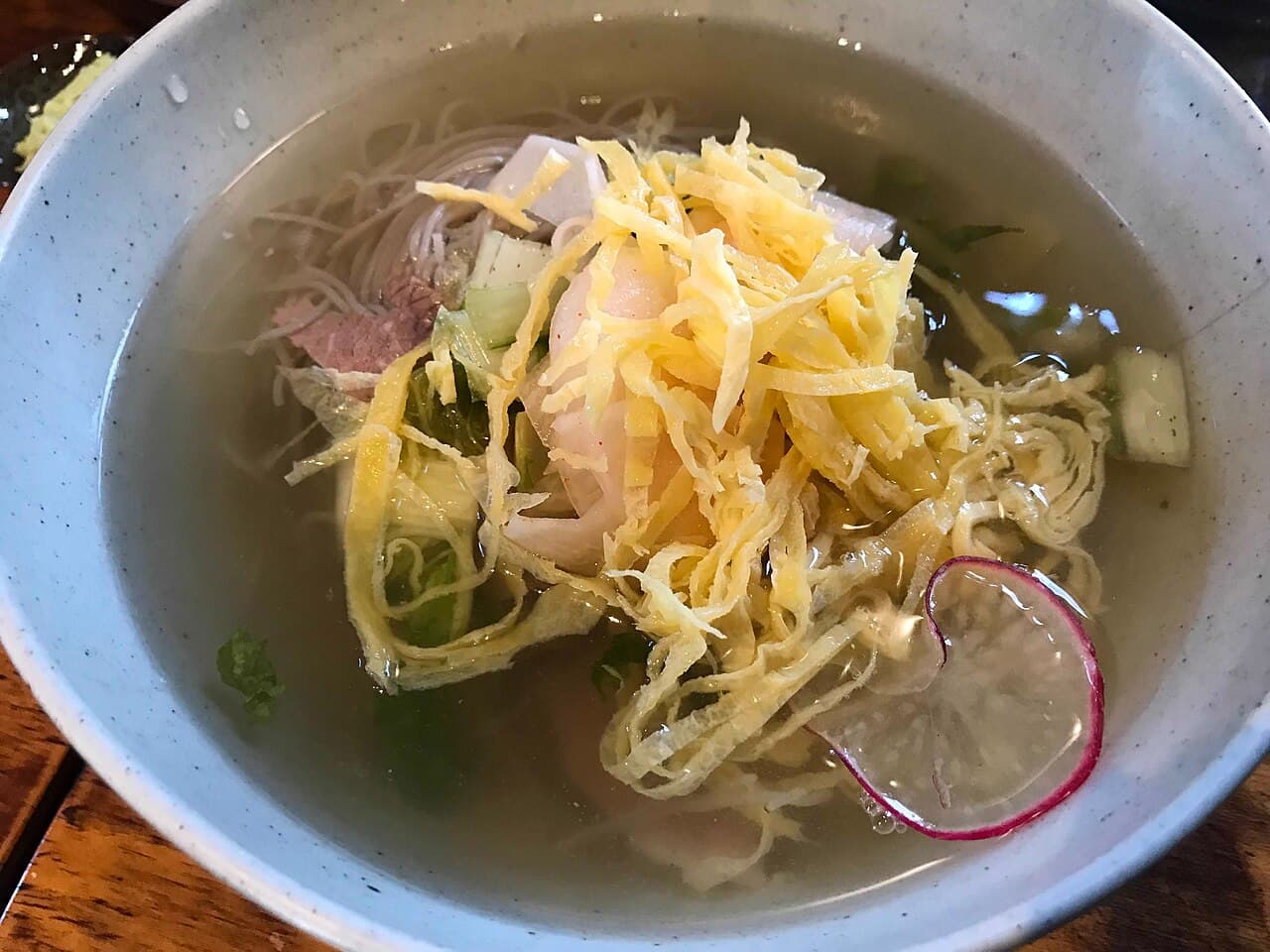
Mul-naengmyeon
물냉면
Ice-cold buckwheat noodles in a tangy beef broth — summer food that should make your teeth hurt a little.
35 minMediumNo chilli
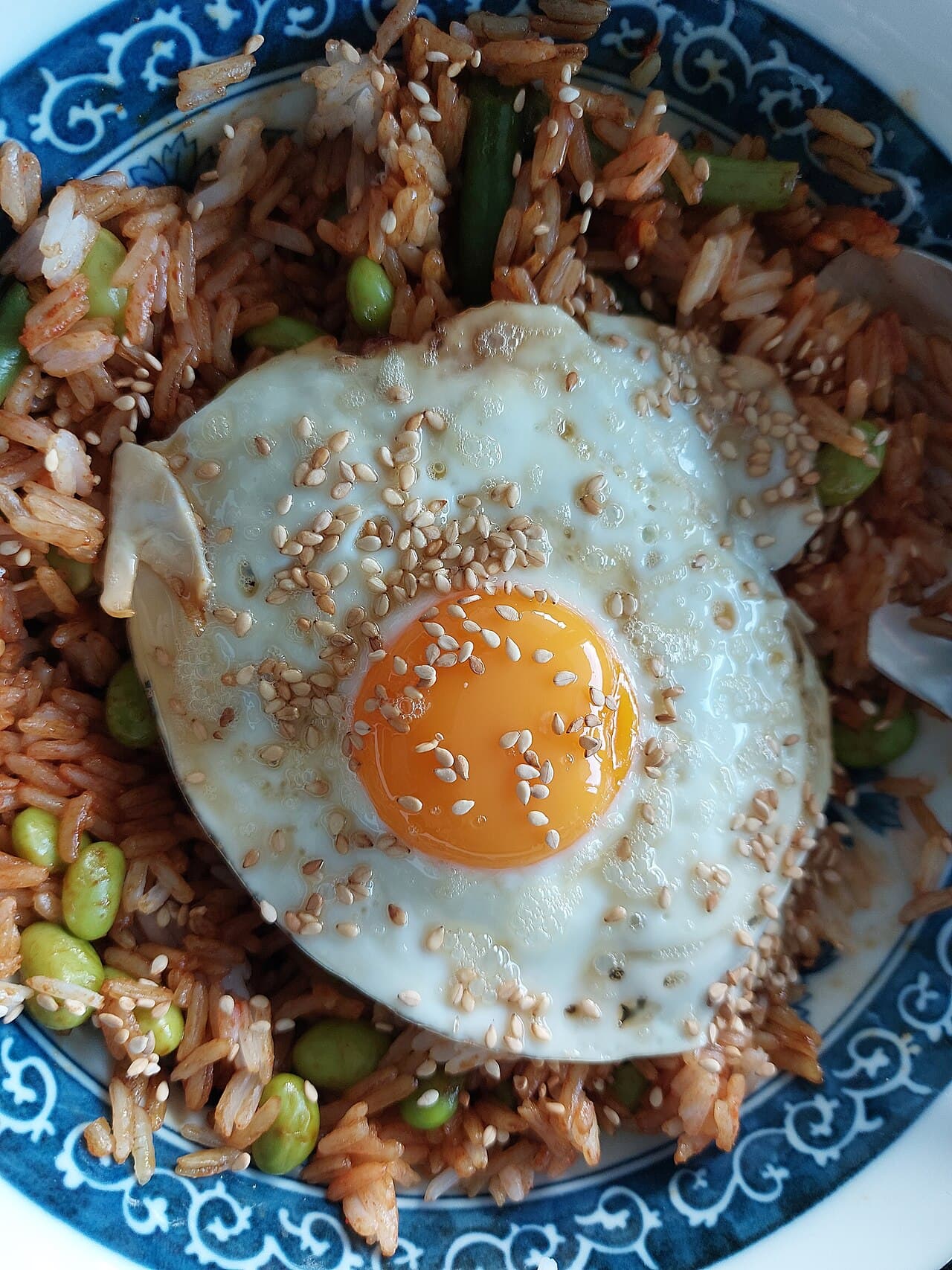
Gyeran-bap
계란밥
Hot rice, a fried or raw-ish egg, sesame oil and soy — the 4-ingredient bowl that still counts as cooking.
7 minEasyNo chilli
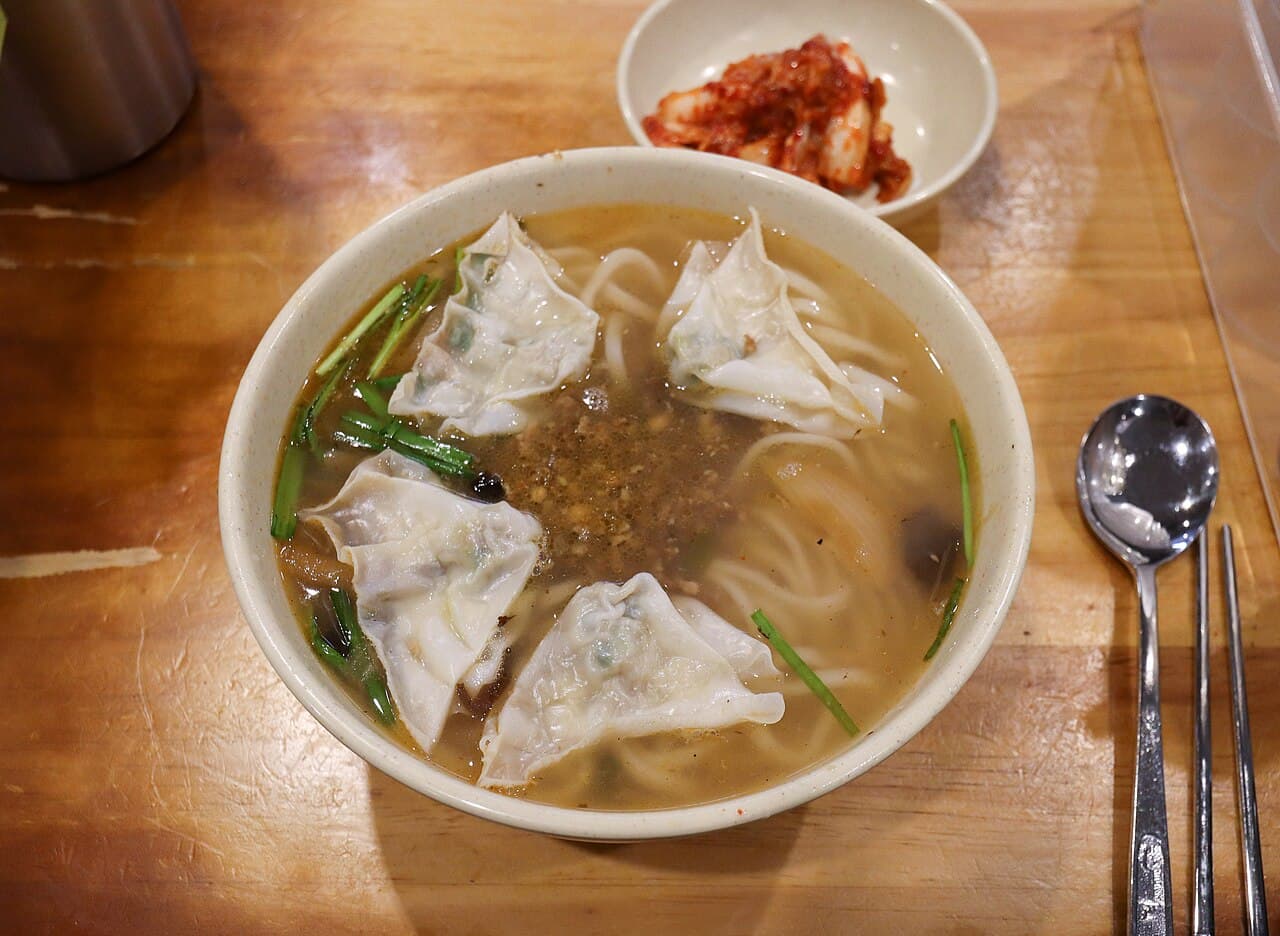
Kalguksu
칼국수
Knife-cut wheat noodles in a mild anchovy-kelp or chicken broth — the bowl you want when the air is cold.
55 minMediumNo chilli