


Sigeumchi-namul
시금치나물
Blanched spinach squeezed dry and seasoned with sesame — the other namul that lives in bibimbap.
Recipe by I Want Some Food · Reviewed by the editorial kitchen. Native name preserved: 시금치나물.
0 people cooked this in the public kitchen yet. Kitchen-tested by I Want Some Food. Not a purchased rating.
- Prep
- 8 min
- Cook
- 3 min
- Total
- 11 min
- Difficulty
- Very easy
- Spice
- No chilli
- Cost
- Cheap nightUnder $8 USD · indicative, not a store price
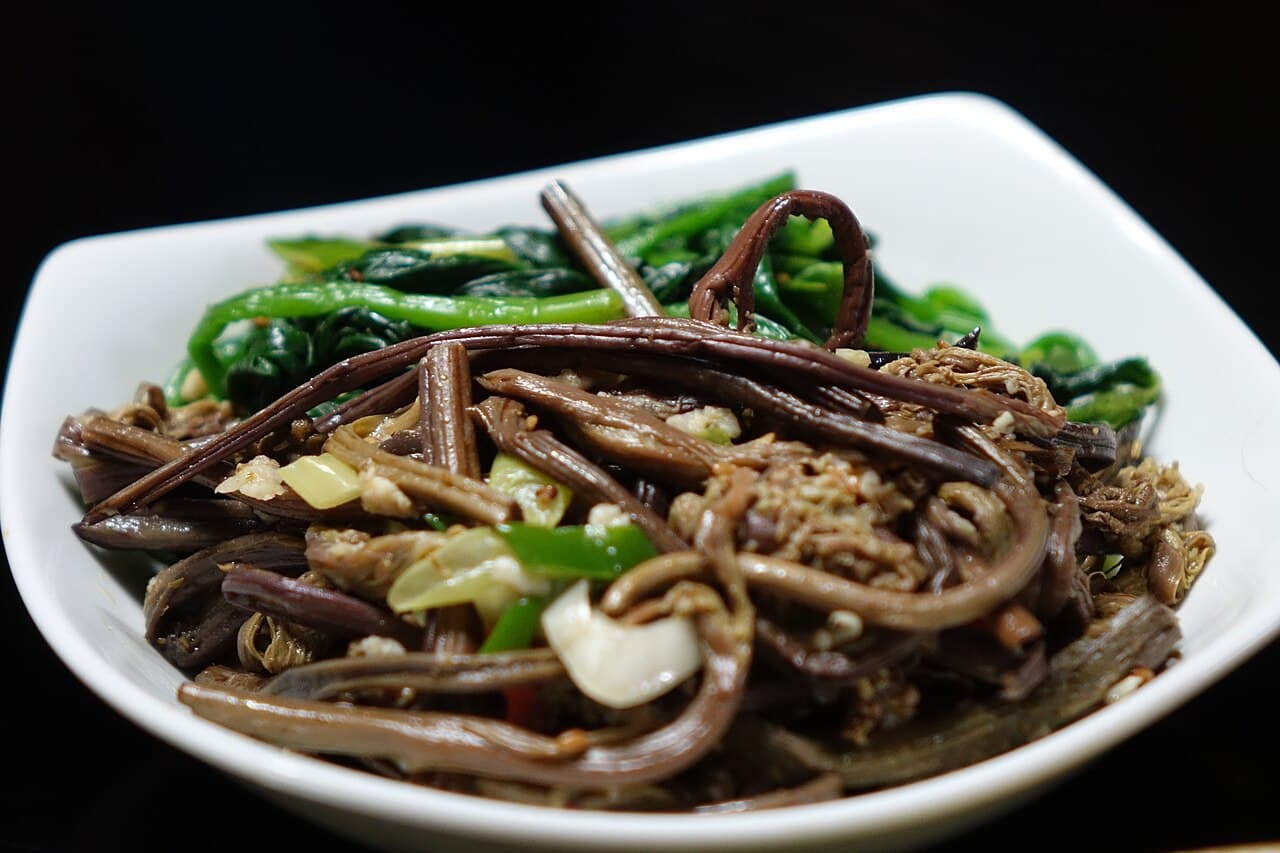
About
Sigeumchi-namul is spinach, not a salad. You blanch it, squeeze it like you mean it, and toss with sesame oil, garlic and soy. Water left in the greens is how the bowl goes dull. This is also how you stock a fridge with banchan on Sunday.
Ingredients
- Spinach300 g
- Toasted sesame oil15 ml
- Soy sauce4.9 ml
- Garlic1 clove
- Salt1 pinch
- Sesame seeds4.9 ml
Scaling multiplies the written quantities. Baking still prefers a scale.
Steps
Step 1
Blanch spinach 30–60 seconds in salted boiling water. Shock in cold water. Squeeze until almost dry, then cut into short lengths.
4 minStep 2
Toss with sesame oil, soy, garlic, salt and seeds. Taste. It should smell toasted, not wet.
Adapt this recipe
The canonical recipe stays intact. Personal versions are labelled. Serving changes are maths, not AI.
Adaptations · 0 / 15 used. Resets 24 August.
Substitutions
Spinach → Other tender greens
Call it namul, name the green.
Tips
- Stems are fine if they are tender. Woody supermarket stems can be trimmed.
- Make a double batch. It keeps two days.
History & culture
Bibimbap, dosirak, and the everyday table. English spinach works; so does a bunch of cheap leaves.
Seasoned greens are older than any restaurant menu. The sesame-garlic formula is the modern home standard.
Traditional
Provenance: Editorial adaptation. Original editorial adaptation for I Want Some Food. Not copied from another recipe site. Official recipe photography is pending. Photograph: 최광모 via Wikimedia Commons (CC BY-SA 4.0). https://commons.wikimedia.org/wiki/File:Gosari-namul%20and%20sigeumchi-namul.jpg
Questions about this recipe
Answers taken from this dish's times, amounts, swaps and tips — not a chatbot.
How long does Sigeumchi-namul take?
11 min all in — 8 min prep, 3 min cook. That is the time on this recipe, not a guess.
How many does it serve?
The recipe is written for 4 plates. Scale the ingredient list on the page if you are cooking for a different number.
How hard is it?
Very easy.
How spicy is it?
No chilli.
What allergens should I watch?
This recipe is labelled for Sesame, Soy. Labels are informational — check the packets in your kitchen. This is not medical advice.
Does it fit a diet?
The published recipe is labelled Vegetarian, Vegan.
What does it cost to cook?
Cheap night — about Under $8 USD, as a grocery budget for this recipe, not a restaurant price.
What equipment do I need?
Saucepan, Mixing bowl.
How much salt do I put in?
The recipe lists Salt at 1 pinch.
How much toasted sesame oil?
1 tbsp of Toasted sesame oil.
How much soy sauce?
1 tsp of Soy sauce.
What can I use instead?
Spinach → Other tender greens. Call it namul, name the green.
Any tips from this recipe?
Stems are fine if they are tender. Woody supermarket stems can be trimmed. Make a double batch. It keeps two days.
Can I use an air fryer?
This method is not written for an air fryer. The core technique on the page still applies.
Similar dishes
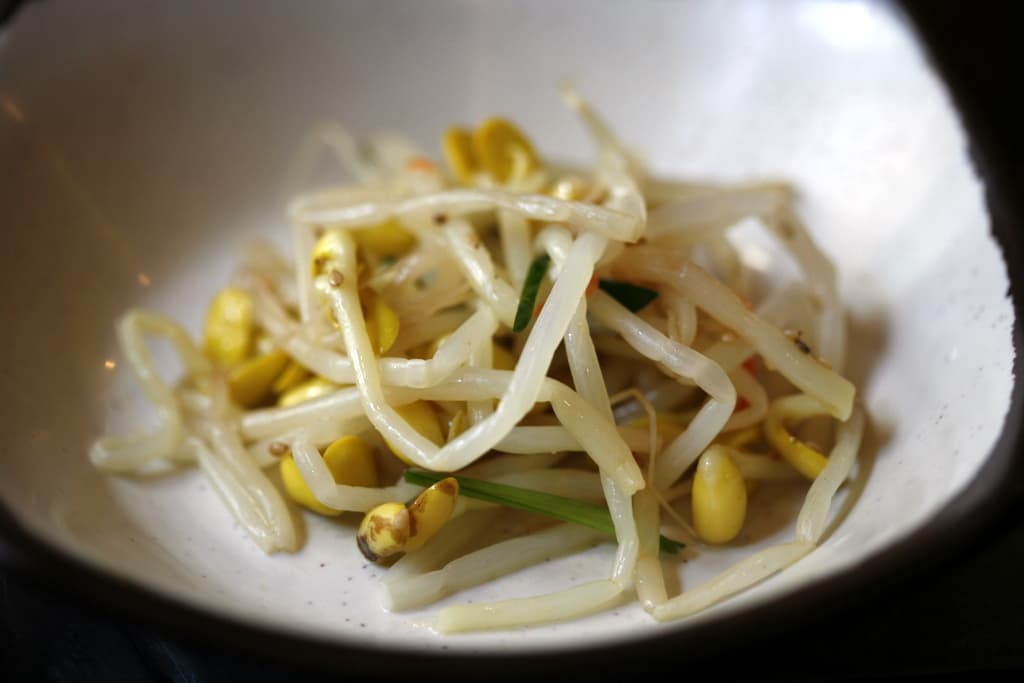
Kongnamul-muchim
콩나물무침
Seasoned soybean sprouts — the banchan that is on the table even when you cooked nothing else.
15 minVery easyNo chilli
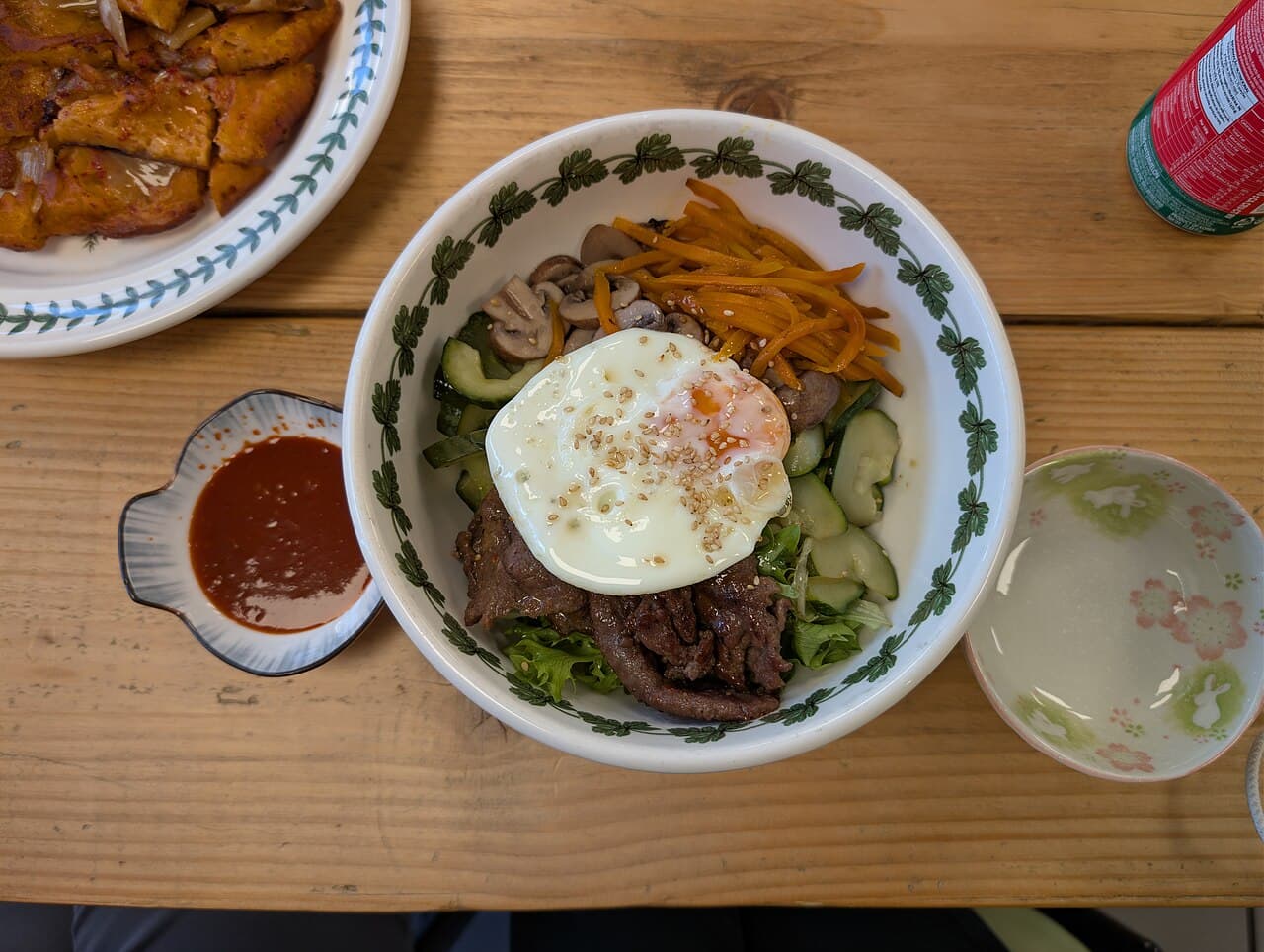
Bibimbap
비빔밥
A Korean rice bowl of seasoned vegetables, chilli paste and a runny yolk — mixed at the table until everything is the same red-gold colour.
1 hrMedium🌶️🌶️

Gimbap
김밥
Sesame rice rolled in gim with pickled radish, egg and vegetables — picnic food, not sushi with a new passport.
55 minMediumNo chilli